
Lakshmi

596 POSTS 12 COMMENTS
Most Of my friends who are visiting this blog calls me and ask me – where do you get these fruits ? Are You a Fruitarian ? I really Appreciate those friends taking interest in eating healthy diet and my answer to their question is –Some Fruit are not available in india , Mainly it is found outside Asia ,And of course , I am not a Fruitarian ,I suggest instead of taking a multivitamin tablet, it is better to eat fruits daily, Your comments are always welcome in my inbox dailyonefruit@gmail.com. Have a happy life – make your life happy… Cheers

Nutrition chart for Banana

Interesting Facts On Banana

Scientific Name Banana fruit  – Musa.
Banana Fruit Family – Banana.
Banana fruit Names in Indian Language – வாழைப்பழம்(Vazhaipazham), വാഴപ്പഴം Yethampazham, केला Kela.
Banana fruit Origin – Southeast Asia.

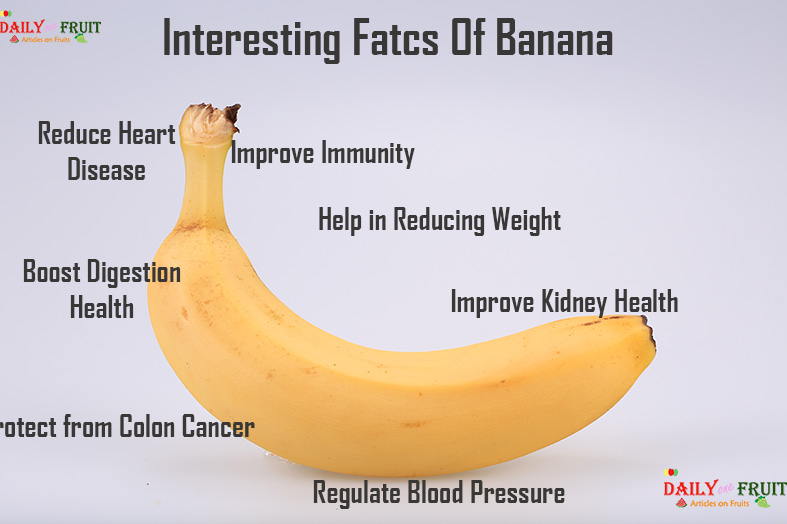
Banana fruit contain high amount of Potassium,Vitamin B6,Vitamin C,Magnesium,Copper,Manganese,Fiber,Protein,Fat.Amazing Health Benefits Of Banana include good Digestive Health,Help With Weight Loss,Improve Kidney Health,help lower blood pressure,lower risk of heart disease.

Nutrition chart for Banana

Nutrition chart for Banana – Article shows you the exact minerals, vitamins, cholesterol, carbohydrate, protein, fat compound present in the fruit based on the reference from Source: USDA Nutrient Database

Nutrientunit100 g225 g150 g
waterg74.91168.55112.36
Energykcal89200134
Proteing1.092.451.64
Total lipid (fat)g0.330.740.49
Carbohydrate, by differenceg22.8451.3934.26
Fiber, total dietaryg2.65.83.9
Sugars, totalg12.2327.5218.34
Calcium, Camg5118
Iron, Femg0.260.580.39
Magnesium, Mgmg276140
Phosphorus, Pmg225033
Potassium, Kmg358806537
Sodium, Namg122
Zinc, Znmg0.150.340.23
Vitamin C, total ascorbic acidmg8.719.613.1
Thiaminmg0.0310.070.047
Riboflavinmg0.0730.1640.109
Niacinmg0.6651.4960.998
Vitamin B-6mg0.3670.8260.55
Folate, DFEµg204530
Vitamin B-12µg000
Vitamin A, RAEµg374
Vitamin A, IUIU6414496
Vitamin E (alpha-tocopherol)mg0.10.230.15

WATER
Water is an essential compound needed in the diet to promote good digestion,blood circulation and to flush out the waste toxin – chemical compound from our body .
100g of Banana contains 74.91 g of water .
225g of Banana contains 168.55 g of water .
150g of Banana contains 112.36 g of water .

PROTEINS
Proteins are essential nutrients for our body. Proteins are one of the building blocks of body tissue, and can also serve as a fuel source throughout the day.
100g of Banana contains 1.09 g of PROTEINS .
225g of Banana contains 2.45 g of PROTEINS .
150g of Banana contains 1.64 g of PROTEINS .

FAT (lipid)
Cholesterol is a fatty substance known as a lipid and is vital for the normal functioning of the body. Too much fat in your blood, it can increase your risk of heart disease.
100g of Banana contains 0.33 g of Cholesterol .
225g of Banana contains 0.74 g of Cholesterol .
150g of Banana contains 0.49 g of Cholesterol .

IRON
Iron is a mineral that is required for our bodies to function properly. Most of the iron in our body is found in the blood as hemoglobin, which is a protein used to carry oxygen to the body’s tissues.
100g of Banana contains 0.26 mg of IRON .
225g of Banana contains 0.58 mg of IRON .
150g of Banana contains 0.39 mg of IRON .

CALCIUM
Calcium is the most plentiful mineral found in the human body. The teeth and bones contain the most calcium.
100g of Banana contains 5 mg of CALCIUM .
225g of Banana contains 11 mg of CALCIUM .
150g of Banana contains 8 mg of CALCIUM .

CARBOHYDRATE
Carbohydrates are energy-providing nutrients.
100g of Banana contains 22.84 g of CARBOHYDRATE .
225g of Banana contains 51.39 g of CARBOHYDRATE .
150g of Banana contains 34.26 g of CARBOHYDRATE .

POTASSIUM
Potassium is a mineral that help muscles contract, regulate fluids and mineral in and out of body cells, and helps maintain normal blood pressure by blunting the effect of sodium.
100g of Banana contains 358 mg of POTASSIUM .
225g of Banana contains 806 mg of POTASSIUM .
150g of Banana contains 537 mg of POTASSIUM .

VITAMIN C
Vitamin C is also called ascorbic acid, which is the form of vitamin C found in most foods.Vitamin C is needed for proper growth, development, and to heal wounds.
100g of Banana contains 8.7 mg of VITAMIN C .
225g of Banana contains 19.6 mg of VITAMIN C .
150g of Banana contains 13.1 mg of VITAMIN C .

VITAMIN B12
100g of Banana contains 0 g of VITAMIN B12 .
225g of Banana contains 0 g of VITAMIN B12 .
150g of Banana contains 0 g of VITAMIN B12 .

SODIUM
Sodium in the diet (called dietary sodium) is measured in milligrams (mg).
100g of Banana contains 1 mg of SODIUM .
225g of Banana contains 2 mg of SODIUM .
150g of Banana contains 2 mg of SODIUM .

DIETARY FIBER
Fiber promotes the movement of material through your digestive system and increases stool bulk, so it can be of benefit to those who struggle with constipation or irregular stools.
100g of Banana contains 2.6 g of DIETARY FIBER .
225g of Banana contains 5.8 g of DIETARY FIBER .
150g of Banana contains 3.9 g of DIETARY FIBER .
Advertisement

Nutrition chart for Cantaloupe

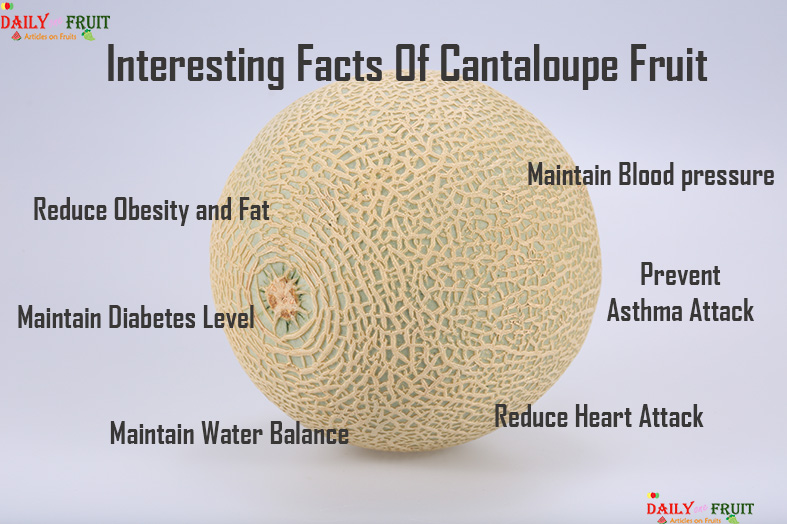
Interesting Facts On Cantaloupe

Scientific Name Cantaloupe fruit – Cucumis melo , cantalupensis
Cantaloupe Fruit Family – Cucurbitaceae
Cantaloupe fruit Names in Indian Language – பரங்கி(Parangi pazham),കാന്റലൂപ്പ് Parangi
Cantaloupe fruit Origin – The cantaloupe most likely originated in a region from India to Africa.

Cantaloupe fruit is rich in carbohydrate,sugar,fiber,protein,vitamin A,vitamin C,calcium, iron .
Amazing Health Benefits Of Cantaloupe fruit decreases the risk of obesity, overall mortality, diabetes, heart disease,reduce Asthma,maintain Blood pressure,protect against asthma .

Nutrition chart for Cantaloupe

Nutrition chart for Cantaloupe – Article shows you the exact minerals, vitamins, cholesterol, carbohydrate, protein, fat compound present in the fruit based on the reference from Source: USDA Nutrient Database

NutrientUnit100g177g160g
Waterg90.15159.57144.24
Energykcal346054
Proteing0.841.491.34
Total lipid (fat)g0.190.340.3
Carbohydrate, by differenceg8.1614.4413.06
Fiber, total dietaryg0.91.61.4
Sugars, totalg7.8613.9112.58
Calcium, Camg91614
Iron, Femg0.210.370.34
Magnesium, Mgmg122119
Phosphorus, Pmg152724
Potassium, Kmg267473427
Sodium, Namg162826
Zinc, Znmg0.180.320.29
Vitamin C, total ascorbic acidmg36.76558.7
Thiaminmg0.0410.0730.066
Riboflavinmg0.0190.0340.03
Niacinmg0.7341.2991.174
Vitamin B-6mg0.0720.1270.115
Folate, DFEµg213734
Vitamin B-12µg000
Vitamin A, RAEµg169299270
Vitamin A, IUIU338259865411
Vitamin E (alpha-tocopherol)mg0.050.090.08

WATER
Water is an essential compound needed in the diet to promote good digestion,blood circulation and to flush out the waste toxin – chemical compound from our body .
100g of Cantaloupe contains 90.15 g of water .
177g of Cantaloupe contains 159.57 g of water .
160g of Cantaloupe contains 144.24 g of water .

PROTEINS
Proteins are essential nutrients for our body. Proteins are one of the building blocks of body tissue, and can also serve as a fuel source throughout the day.
100g of Cantaloupe contains 0.84 g of PROTEINS .
177g of Cantaloupe contains 1.49 g of PROTEINS .
160g of Cantaloupe contains 1.34 g of PROTEINS .

FAT (lipid)
Cholesterol is a fatty substance known as a lipid and is vital for the normal functioning of the body. Too much fat in your blood, it can increase your risk of heart disease.
100g of Cantaloupe contains 0.19 g of Cholesterol .
177g of Cantaloupe contains 0.34 g of Cholesterol .
160g of Cantaloupe contains 0.3 g of Cholesterol .

IRON
Iron is a mineral that is required for our bodies to function properly. Most of the iron in our body is found in the blood as hemoglobin, which is a protein used to carry oxygen to the body’s tissues.
100g of Cantaloupe contains 0.39 mg of IRON .
177g of Cantaloupe contains 0.6 mg of IRON .
160g of Cantaloupe contains 0.64 mg of IRON .

CALCIUM
Calcium is the most plentiful mineral found in the human body. The teeth and bones contain the most calcium.
100g of Cantaloupe contains 13 mg of CALCIUM .
177g of Cantaloupe contains 20 mg of CALCIUM .
160g of Cantaloupe contains 21 mg of CALCIUM .

CARBOHYDRATE
Carbohydrates are energy-providing nutrients.
100g of Cantaloupe contains 8.16 g of CARBOHYDRATE .
177g of Cantaloupe contains 14.44 g of CARBOHYDRATE .
160g of Cantaloupe contains 13.06 g of CARBOHYDRATE .

POTASSIUM
Potassium is a mineral that help muscles contract, regulate fluids and mineral in and out of body cells, and helps maintain normal blood pressure by blunting the effect of sodium.
100g of Cantaloupe contains 267 mg of POTASSIUM .
177g of Cantaloupe contains 473 mg of POTASSIUM .
160g of Cantaloupe contains 427 mg of POTASSIUM .

VITAMIN C
Vitamin C is also called ascorbic acid, which is the form of vitamin C found in most foods.Vitamin C is needed for proper growth, development, and to heal wounds.
100g of Cantaloupe contains 36.7 mg of VITAMIN C .
177g of Cantaloupe contains 65 mg of VITAMIN C .
160g of Cantaloupe contains 58.7 mg of VITAMIN C .

VITAMIN B12
100g of Cantaloupe contains 0 g of VITAMIN B12 .
177g of Cantaloupe contains 0 g of VITAMIN B12 .
160g of Cantaloupe contains 0 g of VITAMIN B12 .

SODIUM
Sodium in the diet (called dietary sodium) is measured in milligrams (mg).
100g of Cantaloupe contains 16 mg of SODIUM .
177g of Cantaloupe contains 28 mg of SODIUM .
160g of Cantaloupe contains 26 mg of SODIUM .

DIETARY FIBER
Fiber promotes the movement of material through your digestive system and increases stool bulk, so it can be of benefit to those who struggle with constipation or irregular stools.
100g of Cantaloupe contains 0.9 g of DIETARY FIBER .

177g of Cantaloupe contains 1.6 g of DIETARY FIBER .
160g of Cantaloupe contains 1.4 g of DIETARY FIBER .

Advertisement

Nutrition chart for Custard apple

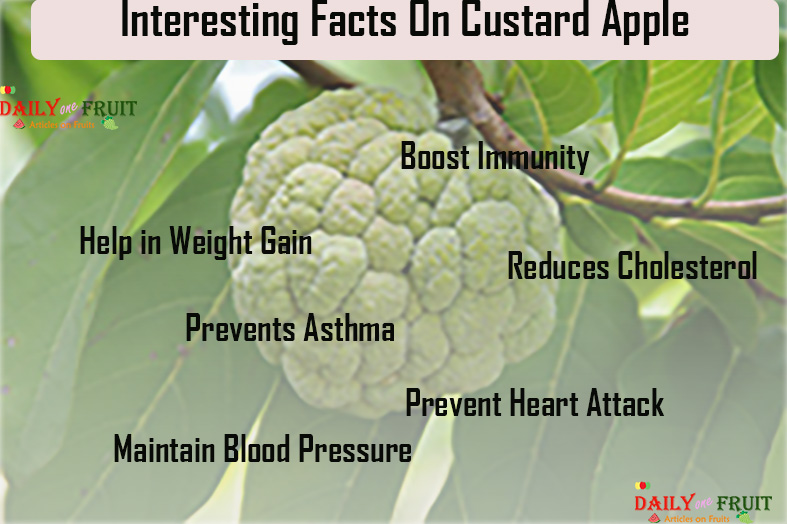
Interesting Facts On CustardApple
Interesting Facts On Custard Apple

Scientific Name Custard apple fruit – Annona cherimola, A. reticulata
Custard apple Fruit Family – Moraceae
Custard apple fruit Names in Indian Language – சீதாப் பழம் (Seetha pazham),കസ്റ്റാർഡ് ആപ്പിൾ Seethappazham,सिताफ़ल Shitaphal- Saripa.
Custard apple fruit Origin – widely grown species of Annona and a native of the tropical Americas and West Indies.

rich in calcium, magnesium, iron, niacin & potassium.
Amazing Health Benefits Of Custard apple fruit improves your Weight,Prevents Asthma,defend the heart from cardiac attack,maintain blood pressure levels,Reduces Cholesterol.

Nutrition chart for Custard apple

Nutrition chart for Custard apple – Article shows you the exact minerals, vitamins, cholesterol, carbohydrate, protein, fat compound present in the fruit based on the reference from Source: USDA Nutrient Database

nutrientunit100g
Waterg71.5
Energykcal101
Proteing1.7
Total lipid (fat)g0.6
Carbohydrate, by differenceg25.2
Fiber, total dietaryg2.4
Calcium, Camg30
Iron, Femg0.71
Magnesium, Mgmg18
Phosphorus, Pmg21
Potassium, Kmg382
Sodium, Namg4
Vitamin C, total ascorbic acidmg19.2
Thiaminmg0.08
Riboflavinmg0.1
Niacinmg0.5
Vitamin B-6mg0.221
Vitamin B-12µg0
Vitamin A, RAEµg2
Vitamin A, IUIU33
Fatty acids, total saturatedg0.231

PROTEINS
Proteins are essential nutrients for our body. Proteins are one of the building blocks of body tissue, and can also serve as a fuel source throughout the day.
100g of Custard apple contains 1.7g of PROTEINS .

FAT (lipid)
Cholesterol is a fatty substance known as a lipid and is vital for the normal functioning of the body. Too much fat in your blood, it can increase your risk of heart disease.
100g of Custard apple contains 0.6g of Cholesterol .

IRON
Iron is a mineral that is required for our bodies to function properly. Most of the iron in our body is found in the blood as hemoglobin, which is a protein used to carry oxygen to the body’s tissues.
100g of Custard apple contains 0.71mg of IRON .

CALCIUM
Calcium is the most plentiful mineral found in the human body. The teeth and bones contain the most calcium.
100g of Custard apple contains 30mg of CALCIUM .

CARBOHYDRATE
Carbohydrates are energy-providing nutrients.
100g of Custard apple contains 25.2g of CARBOHYDRATE .

POTASSIUM
Potassium is a mineral that help muscles contract, regulate fluids and mineral in and out of body cells, and helps maintain normal blood pressure by blunting the effect of sodium.
100g of Custard apple contains 382mg of POTASSIUM .

VITAMIN C
Vitamin C is also called ascorbic acid, which is the form of vitamin C found in most foods.Vitamin C is needed for proper growth, development, and to heal wounds.
100g of Custard apple contains 19.2mg of VITAMIN C .

VITAMIN B12
100g of Custard apple contains 0g of VITAMIN B12 .

SODIUM
Sodium in the diet (called dietary sodium) is measured in milligrams (mg).
100g of Custard apple contains 4mg of SODIUM .

DIETARY FIBER
Fiber promotes the movement of material through your digestive system and increases stool bulk, so it can be of benefit to those who struggle with constipation or irregular stools.
100g of Custard apple contains 2.4g of DIETARY FIBER .

Advertisement

Nutrition chart for Grapes

Interesting Facts On Grapes

Scientific Name Grape – Vitis
Grape Fruit Family – Vitaceae
Grape fruit Names in Indian Language –திராட்சைப் பழம்(Dratchai) ,മുന്തിരിപ്പഴം Dratcha or Munthiri, अंगूर Angoor

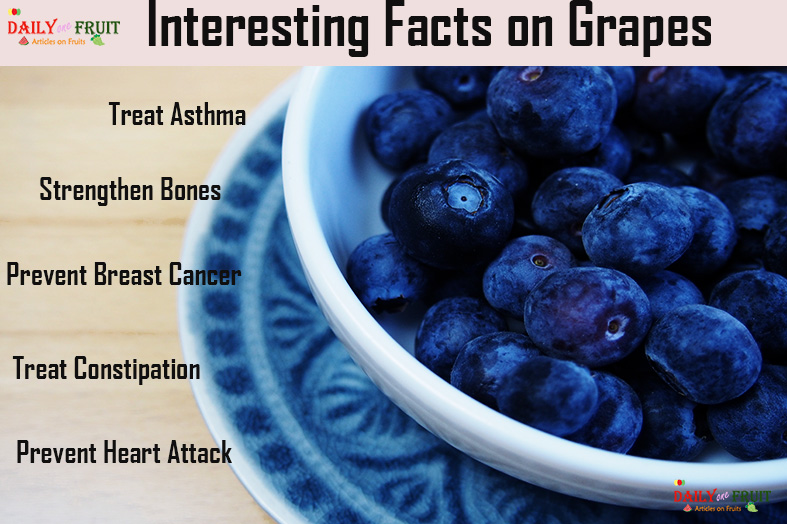
Grapes are a rich in phytonutrients, vitamins such as vitamin K, A, C, and vitamin B6, thiamine, riboflavin, niacin, folate, minerals like potassium, calcium, magnesium, phosphorus, and sodium.Amazing Health Benefits Of Grapes help in reducing Asthma,Strengthen Bones,Prevent Heart Diseases,Treat Constipation,Control Diabetes,Treat Kidney Disorders,Prevent Cancer,Reduce Risk of Alzheimer’s,Boost Immunity,Prevent Macular Degeneration.

Nutrition chart for Grapes

Nutrition chart for Grapes – Article shows you the exact minerals, vitamins, cholesterol, carbohydrate, protein, fat compound present in the fruit based on the reference from Source: USDA Nutrient Database

NutrientUnit100g152g49g
Waterg80.54121.6239.46
Energykcal6910434
Proteing0.721.090.35
Total lipid (fat)g0.160.240.08
Carbohydrate, by differenceg18.127.338.87
Fiber, total dietaryg0.91.40.4
Sugars, totalg15.4823.377.59
Calcium, Camg10155
Iron, Femg0.360.540.18
Magnesium, Mgmg7113
Phosphorus, Pmg203010
Potassium, Kmg19128894
Sodium, Namg231
Zinc, Znmg0.070.110.03
Vitamin C, total ascorbic acidmg3.24.81.6
Thiaminmg0.0690.1040.034
Riboflavinmg0.070.1060.034
Niacinmg0.1880.2840.092
Vitamin B-6mg0.0860.130.042
Folate, DFEµg231
Vitamin B-12µg000
Vitamin A, RAEµg351
Vitamin A, IUIU6610032
Vitamin E (alpha-tocopherol)mg0.190.290.09
Vitamin D (D2 + D3)µg000
Vitamin DIU000
Vitamin K (phylloquinone)µg14.6227.2
Fatty acids, total saturatedg0.0540.0820.026
Fatty acids, total monounsaturatedg0.0070.0110.003
Fatty acids, total polyunsaturatedg0.0480.0720.024
Fatty acids, total transg000
Cholesterolmg000

WATER
Water is an essential compound needed in the diet to promote good digestion,blood circulation and to flush out the waste toxin – chemical compound from our body .
100g of Grapes contains 80.54 g of water .
152g of Grapes contains 121.62 g of water .
49g of Grapes contains 39.46 g of water .

PROTEINS
Proteins are essential nutrients for our body. Proteins are one of the building blocks of body tissue, and can also serve as a fuel source throughout the day.
100g of Grapes contains 0.72 g of PROTEINS .
152g of Grapes contains 1.09 g of PROTEINS .
49g of Grapes contains 0.35 g of PROTEINS .

FAT (lipid)
Cholesterol is a fatty substance known as a lipid and is vital for the normal functioning of the body. Too much fat in your blood, it can increase your risk of heart disease.
100g of Grapes contains 0.16 g of Cholesterol .
152g of Grapes contains 0.24 g of Cholesterol .
49g of Grapes contains 0.08 g of Cholesterol .

IRON
Iron is a mineral that is required for our bodies to function properly. Most of the iron in our body is found in the blood as hemoglobin, which is a protein used to carry oxygen to the body’s tissues.
100g of Grapes contains 0.36 mg of IRON .
152g of Grapes contains 0.54 mg of IRON .
49g of Grapes contains 0.18 mg of IRON .

CALCIUM
Calcium is the most plentiful mineral found in the human body. The teeth and bones contain the most calcium.
100g of Grapes contains 10 mg of CALCIUM .
152g of Grapes contains 15 mg of CALCIUM .
49g of Grapes contains 5 mg of CALCIUM .

CARBOHYDRATE
Carbohydrates are energy-providing nutrients.
100g of Grapes contains 18.1 g of CARBOHYDRATE .
152g of Grapes contains 27.33 g of CARBOHYDRATE .
49g of Grapes contains 8.87 g of CARBOHYDRATE .

POTASSIUM
Potassium is a mineral that help muscles contract, regulate fluids and mineral in and out of body cells, and helps maintain normal blood pressure by blunting the effect of sodium.
100g of Grapes contains 191 mg of POTASSIUM .
152g of Grapes contains 288 mg of POTASSIUM .
49g of Grapes contains 94 mg of POTASSIUM .

VITAMIN C
Vitamin C is also called ascorbic acid, which is the form of vitamin C found in most foods.Vitamin C is needed for proper growth, development, and to heal wounds.
100g of Grapes contains 3.2 mg of VITAMIN C .
152g of Grapes contains 4.8 mg of VITAMIN C .
49g of Grapes contains 1.6 mg of VITAMIN C .

VITAMIN B12
100g of Grapes contains 0 g of VITAMIN B12 .
152g of Grapes contains 0 g of VITAMIN B12 .
49g of Grapes contains 0 g of VITAMIN B12 .

SODIUM
Sodium in the diet (called dietary sodium) is measured in milligrams (mg).
100g of Grapes contains 2 mg of SODIUM .
152g of Grapes contains 3 mg of SODIUM .
49g of Grapes contains 1 mg of SODIUM .

DIETARY FIBER
Fiber promotes the movement of material through your digestive system and increases stool bulk, so it can be of benefit to those who struggle with constipation or irregular stools.
100g of Grapes contains 0.9 g of DIETARY FIBER .

152g of Grapes contains 1.4 g of DIETARY FIBER .
49g of Grapes contains 0.4 g of DIETARY FIBER .

Advertisement

Nutrition chart for Apricot

Interesting Facts On Apricots

Scientific Name Apricot fruit – Prunus armeniaca .
Apricot Fruit Family – Rosaceae .
Apricot fruit Names in Indian Language – அத்திப்பழம் (Apple pazham), ആപ്രിക്കോട്ട് Aprikot, Khoobani .
Apricot fruit Origin – Armenia .

Apricot fruit is a very good source of dietary fiber, like vitamins A,vitamins C,vitamins K,vitamins E, potassium, copper manganese, magnesium, and phosphorous
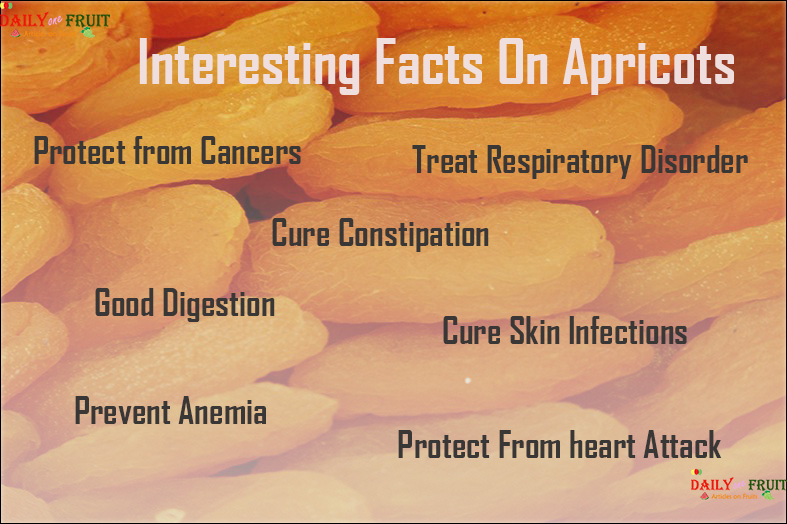
The health benefits of Apricots include reducing indigestion, constipation problems, skin diseases, cancers, anemia,improve heart health, treat muscles and wounds,aid in weight loss, treat respiratory conditions, boost strength, maintain electrolyte balance in the body.

Nutrition chart for Apricot

Nutrition chart for Apricot – Article shows you the exact minerals, vitamins, cholesterol, carbohydrate, protein, fat compound present in the fruit based on the reference from Source: USDA Nutrient Database

Nutrientunit100 g155 g165 g
Waterg86.35133.84142.48
Energykcal487479
Proteing1.42.172.31
Total lipid (fat)g0.390.60.64
Carbohydrate, by differenceg11.1217.2418.35
Fiber, total dietaryg23.13.3
Sugars, totalg9.2414.3215.25
Calcium, Camg132021
Iron, Femg0.390.60.64
Magnesium, Mgmg101616
Phosphorus, Pmg233638
Potassium, Kmg259401427
Sodium, Namg122
Zinc, Znmg0.20.310.33
Vitamin C, total ascorbic acidmg1015.516.5
Thiaminmg0.030.0460.05
Riboflavinmg0.040.0620.066
Niacinmg0.60.930.99
Vitamin B-6mg0.0540.0840.089
Folate, DFEµg91415
Vitamin B-12µg000
Vitamin A, RAEµg96149158
Vitamin A, IUIU192629853178
Vitamin E (alpha-tocopherol)mg0.891.381.47
Vitamin D (D2 + D3)µg000
Vitamin DIU000
Vitamin K (phylloquinone)µg3.35.15.4
Fatty acids, total saturatedg0.0270.0420.045
Fatty acids, total monounsaturatedg0.170.2640.281
Fatty acids, total polyunsaturatedg0.0770.1190.127

WATER
Water is an essential compound needed in the diet to promote good digestion,blood circulation and to flush out the waste toxin – chemical compound from our body .
100g of Apricot contains 86.35 g of water .
155g of Apricot contains 133.84 g of water .
165g of Apricot contains 142.48 g of water .

PROTEINS
Proteins are essential nutrients for our body. Proteins are one of the building blocks of body tissue, and can also serve as a fuel source throughout the day.
100g of Apricot contains 1.4 g of PROTEINS .
155g of Apricot contains 2.17 g of PROTEINS .
165g of Apricot contains 2.31 g of PROTEINS .

FAT (lipid)
Cholesterol is a fatty substance known as a lipid and is vital for the normal functioning of the body. Too much fat in your blood, it can increase your risk of heart disease.
100g of Apricot contains 0.39 g of Cholesterol .
155g of Apricot contains 0.6 g of Cholesterol .
165g of Apricot contains 0.64 g of Cholesterol .

IRON
Iron is a mineral that is required for our bodies to function properly. Most of the iron in our body is found in the blood as hemoglobin, which is a protein used to carry oxygen to the body’s tissues.
100g of Apricot contains 0.39 mg of IRON .
155g of Apricot contains 0.6 mg of IRON .
165g of Apricot contains 0.64 mg of IRON .

CALCIUM
Calcium is the most plentiful mineral found in the human body. The teeth and bones contain the most calcium.
100g of Apricot contains 13 mg of CALCIUM .
155g of Apricot contains 20 mg of CALCIUM .
165g of Apricot contains 21 mg of CALCIUM .

CARBOHYDRATE
Carbohydrates are energy-providing nutrients.
100g of Apricot contains 11.12 g of CARBOHYDRATE .
155g of Apricot contains 17.24 g of CARBOHYDRATE .
165g of Apricot contains 18.35 g of CARBOHYDRATE .

POTASSIUM
Potassium is a mineral that help muscles contract, regulate fluids and mineral in and out of body cells, and helps maintain normal blood pressure by blunting the effect of sodium.
100g of Apricot contains 259 mg of POTASSIUM .
155g of Apricot contains 401 mg of POTASSIUM .
165g of Apricot contains 427 mg of POTASSIUM .

VITAMIN C
Vitamin C is also called ascorbic acid, which is the form of vitamin C found in most foods.Vitamin C is needed for proper growth, development, and to heal wounds.
100g of Apricot contains 10 mg of VITAMIN C .
155g of Apricot contains 15.5 mg of VITAMIN C .
165g of Apricot contains 16.5 mg of VITAMIN C .

VITAMIN B12
100g of Apricot contains 0g g of VITAMIN B12 .
155g of Apricot contains 0g g of VITAMIN B12 .
165g of Apricot contains 0g g of VITAMIN B12 .

SODIUM
Sodium in the diet (called dietary sodium) is measured in milligrams (mg).
100g of Apricot contains 1 mg of SODIUM .
155g of Apricot contains 2 mg of SODIUM .
165g of Apricot contains 2 mg of SODIUM .

DIETARY FIBER
Fiber promotes the movement of material through your digestive system and increases stool bulk, so it can be of benefit to those who struggle with constipation or irregular stools.
100g of Apricot contains 2 g of DIETARY FIBER .
155g of Apricot contains 3.1 g of DIETARY FIBER .
165g of Apricot contains 3.3 g of DIETARY FIBER .
Advertisement

Nutrition chart for Grapefruit

Interesting Facts On Grapefruit

Scientific Name Grapefruit fruit – Citrus x paradisi
Grapefruit Fruit Family – Rutaceae
Grapefruit fruit Origin – Grapefruit, first found in the West Indies in the 1700s, is the first citrus strain to originate in the Americas.

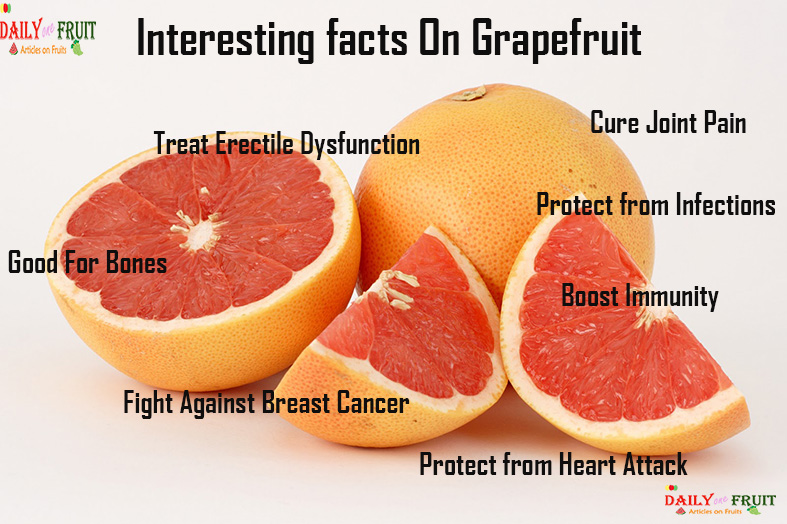
Grapefruit with the rich Vitamin c nutrients include other essential vitamin A, vitamin B1, vitamin B2, calcium, iron, phosphorus, manganese, sodium, potassium and chlorine.Amazing Health Benefits Of Grapefruit act against Breast Cancer,Fight Arthritis and Joint Pain,Lower Your Risk of Heart Disease,Treat Erectile Dysfunction,Fight Bacterial and Fungal Infections.

Nutrition chart for Grapefruit

Nutrition chart for Grapefruit – Article shows you the exact minerals, vitamins, cholesterol, carbohydrate, protein, fat compound present in the fruit based on the reference from Source: USDA Nutrient Database

Nutrition chart for Grapefruit

Nutrientunit100g247g196g
Waterg90222.3176.4
Energykcal399676
Proteing0.51.240.98
Total lipid (fat)g0.10.250.2
Carbohydrate, by differenceg9.222.7218.03
Fiber, total dietaryg0.10.20.2
Sugars, totalg9.122.4817.84
Calcium, Camg92218
Iron, Femg0.20.490.39
Magnesium, Mgmg123024
Phosphorus, Pmg153729
Potassium, Kmg162400318
Sodium, Namg122
Zinc, Znmg0.050.120.1
Vitamin C, total ascorbic acidmg3893.974.5
Thiaminmg0.040.0990.078
Riboflavinmg0.020.0490.039
Niacinmg0.20.4940.392
Vitamin B-6mg0.0440.1090.086
Folate, DFEµg102520
Vitamin B-12µg000
Vitamin A, RAEµg122
Vitamin A, IUIU102520
Vitamin E (alpha-tocopherol)mg0.220.540.43
Vitamin D (D2 + D3)µg000
Vitamin DIU000
Vitamin K (phylloquinone)µg000
Fatty acids, total saturatedg0.0140.0350.027
Fatty acids, total monounsaturatedg0.0130.0320.025
Fatty acids, total polyunsaturatedg0.0240.0590.047
Fatty acids, total transg000
Cholesterolmg000

WATER
Water is an essential compound needed in the diet to promote good digestion,blood circulation and to flush out the waste toxin – chemical compound from our body .
100g of Grapefruit contains 90 g of water .
247g of Grapefruit contains 222.3 g of water .
196g of Grapefruit contains 176.4 g of water .

PROTEINS
Proteins are essential nutrients for our body. Proteins are one of the building blocks of body tissue, and can also serve as a fuel source throughout the day.
100g of Grapefruit contains 0.5 g of PROTEINS .
247g of Grapefruit contains 1.24 g of PROTEINS .
196g of Grapefruit contains 0.98 g of PROTEINS .

FAT (lipid)
Cholesterol is a fatty substance known as a lipid and is vital for the normal functioning of the body. Too much fat in your blood, it can increase your risk of heart disease.
100g of Grapefruit contains 0.1 g of Cholesterol .
247g of Grapefruit contains 0.25 g of Cholesterol .
196g of Grapefruit contains 0.2 g of Cholesterol .

IRON
Iron is a mineral that is required for our bodies to function properly. Most of the iron in our body is found in the blood as hemoglobin, which is a protein used to carry oxygen to the body’s tissues.
100g of Grapefruit contains 0.2 mg of IRON .
247g of Grapefruit contains 0.49 mg of IRON .
196g of Grapefruit contains 0.39 mg of IRON .

CALCIUM
Calcium is the most plentiful mineral found in the human body. The teeth and bones contain the most calcium.
100g of Grapefruit contains 9 mg of CALCIUM .
247g of Grapefruit contains 22 mg of CALCIUM .
196g of Grapefruit contains 18 mg of CALCIUM .

CARBOHYDRATE
Carbohydrates are energy-providing nutrients.
100g of Grapefruit contains 9.2 g of CARBOHYDRATE .
247g of Grapefruit contains 22.72 g of CARBOHYDRATE .
196g of Grapefruit contains 18.03 g of CARBOHYDRATE .

POTASSIUM
Potassium is a mineral that help muscles contract, regulate fluids and mineral in and out of body cells, and helps maintain normal blood pressure by blunting the effect of sodium.
100g of Grapefruit contains 162 mg of POTASSIUM .
247g of Grapefruit contains 400 mg of POTASSIUM .
196g of Grapefruit contains 318 mg of POTASSIUM .

VITAMIN C
Vitamin C is also called ascorbic acid, which is the form of vitamin C found in most foods.Vitamin C is needed for proper growth, development, and to heal wounds.
100g of Grapefruit contains 38 mg of VITAMIN C .
247g of Grapefruit contains 93.9 mg of VITAMIN C .
196g of Grapefruit contains 74.5 mg of VITAMIN C .

VITAMIN B12
100g of Grapefruit contains 0 g of VITAMIN B12 .
247g of Grapefruit contains 0 g of VITAMIN B12 .
196g of Grapefruit contains 0 g of VITAMIN B12 .

SODIUM
Sodium in the diet (called dietary sodium) is measured in milligrams (mg).
100g of Grapefruit contains 1 mg of SODIUM .
247g of Grapefruit contains 2 mg of SODIUM .
196g of Grapefruit contains 2 mg of SODIUM .

DIETARY FIBER
Fiber promotes the movement of material through your digestive system and increases stool bulk, so it can be of benefit to those who struggle with constipation or irregular stools.
100g of Grapefruit contains 0.1 g of DIETARY FIBER .
247g of Grapefruit contains 0.2 g of DIETARY FIBER .
196g of Grapefruit contains 0.2 g of DIETARY FIBER .
Advertisement

Facts On Fruits

Fruit Recipe

Skin Care From Fruits