
Lakshmi

596 POSTS 12 COMMENTS
Most Of my friends who are visiting this blog calls me and ask me – where do you get these fruits ? Are You a Fruitarian ? I really Appreciate those friends taking interest in eating healthy diet and my answer to their question is –Some Fruit are not available in india , Mainly it is found outside Asia ,And of course , I am not a Fruitarian ,I suggest instead of taking a multivitamin tablet, it is better to eat fruits daily, Your comments are always welcome in my inbox dailyonefruit@gmail.com. Have a happy life – make your life happy… Cheers

Nutrition chart for Nectarine

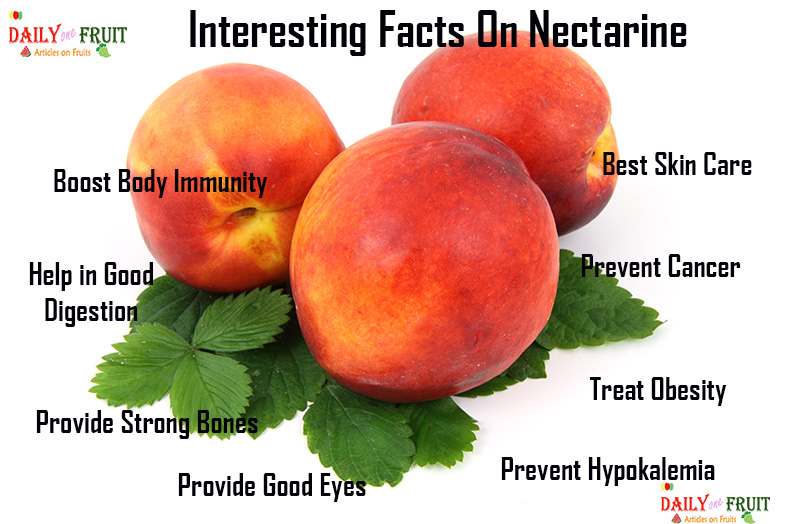
Interesting Facts On Nectarine

Scientific Name Nectarine fruit -Prunus persica var. nectarina
Nectarine Fruit Family – Rosaceae .
Nectarine fruit Origin – ( According to wiki )The Nectarine probably originated in China over 2,000 years ago and were cultivated in ancient Persia, Greece and Rome.

Nectarine fruit is a powerful antioxidants with dietary fiber, vitamin A, vitamin B1 , vitamin B2 , vitamin B3 , pantothenic acid, vitamin B6, folate, vitamin C , vitamin E , vitamin K , potassium,phosphorous, magnesium and calcium.

Amazing Health Benefits Of Nectarine fruit are strengthening the immune system,improve cardiovascular,Improve vision,Prevent Hypokalemia,Improve Cardiac Health,Prevent Cancer,Skin Care,Aid Digestion,improve digestive health,Treat Obesity, helps in the formation of strong teeth and bones .

Nutrition chart for Nectarine

Nutrition chart for Nectarine – Article shows you the exact minerals, vitamins, cholesterol, carbohydrate, protein, fat compound present in the fruit based on the reference from Source: USDA Nutrient Database

NutrientUnit100g143g156g
Waterg87.59125.25136.64
Energykcal446369
Proteing1.061.521.65
Total lipid (fat)g0.320.460.5
Carbohydrate, by differenceg10.5515.0916.46
Fiber, total dietaryg1.72.42.7
Sugars, totalg7.8911.2812.31
Calcium, Camg699
Iron, Femg0.280.40.44
Magnesium, Mgmg91314
Phosphorus, Pmg263741
Potassium, Kmg201287314
Sodium, Namg000
Zinc, Znmg0.170.240.27
Vitamin C, total ascorbic acidmg5.47.78.4
Thiaminmg0.0340.0490.053
Riboflavinmg0.0270.0390.042
Niacinmg1.1251.6091.755
Vitamin B-6mg0.0250.0360.039
Folate, DFEµg578
Vitamin B-12µg000
Vitamin A, RAEµg172427
Vitamin A, IUIU332475518
Vitamin E (alpha-tocopherol)mg0.771.11.2
Vitamin D (D2 + D3)µg000
Vitamin DIU000
Vitamin K (phylloquinone)µg2.23.13.4
Fatty acids, total saturatedg0.0250.0360.039
Fatty acids, total monounsaturatedg0.0880.1260.137
Fatty acids, total polyunsaturatedg0.1130.1620.176
Fatty acids, total transg000
Cholesterolmg000

WATER
Water is an essential compound needed in the diet to promote good digestion,blood circulation and to flush out the waste toxin – chemical compound from our body .
100g of Nectarine contains 87.59 g of water .
143g of Nectarine contains 125.25 g of water .
156g of Nectarine contains 136.64 g of water .

PROTEINS
Proteins are essential nutrients for our body. Proteins are one of the building blocks of body tissue, and can also serve as a fuel source throughout the day.
100g of Nectarine contains 1.06 g of PROTEINS .
143g of Nectarine contains 1.52 g of PROTEINS .
156g of Nectarine contains 1.65 g of PROTEINS .

FAT (lipid)
Cholesterol is a fatty substance known as a lipid and is vital for the normal functioning of the body. Too much fat in your blood, it can increase your risk of heart disease.
100g of Nectarine contains 0.32 g of Cholesterol .
143g of Nectarine contains 0.46 g of Cholesterol .
156g of Nectarine contains 0.5 g of Cholesterol .

IRON
Iron is a mineral that is required for our bodies to function properly. Most of the iron in our body is found in the blood as hemoglobin, which is a protein used to carry oxygen to the body’s tissues.
100g of Nectarine contains 0.28 mg of IRON .
143g of Nectarine contains 0.4 mg of IRON .
156g of Nectarine contains 0.44 mg of IRON .

CALCIUM
Calcium is the most plentiful mineral found in the human body. The teeth and bones contain the most calcium.
100g of Nectarine contains 6 mg of CALCIUM .
143g of Nectarine contains 9 mg of CALCIUM .
156g of Nectarine contains 9 mg of CALCIUM .

CARBOHYDRATE
Carbohydrates are energy-providing nutrients.
100g of Nectarine contains 10.55 g of CARBOHYDRATE .
143g of Nectarine contains 15.09 g of CARBOHYDRATE .
156g of Nectarine contains 16.46 g of CARBOHYDRATE .

POTASSIUM
Potassium is a mineral that help muscles contract, regulate fluids and mineral in and out of body cells, and helps maintain normal blood pressure by blunting the effect of sodium.
100g of Nectarine contains 201 mg of POTASSIUM .
143g of Nectarine contains 287 mg of POTASSIUM .
156g of Nectarine contains 314 mg of POTASSIUM .

VITAMIN C
Vitamin C is also called ascorbic acid, which is the form of vitamin C found in most foods.Vitamin C is needed for proper growth, development, and to heal wounds.
100g of Nectarine contains 5.4 mg of VITAMIN C .
143g of Nectarine contains 7.7 mg of VITAMIN C .
156g of Nectarine contains 8.4 mg of VITAMIN C .

VITAMIN B12
100g of Nectarine contains 0 g of VITAMIN B12 .
143g of Nectarine contains 0 g of VITAMIN B12 .
156g of Nectarine contains 0 g of VITAMIN B12 .

SODIUM
Sodium in the diet (called dietary sodium) is measured in milligrams (mg).
100g of Nectarine contains 0 mg of SODIUM .
143g of Nectarine contains 0 mg of SODIUM .
156g of Nectarine contains 0 mg of SODIUM .

DIETARY FIBER
Fiber promotes the movement of material through your digestive system and increases stool bulk, so it can be of benefit to those who struggle with constipation or irregular stools.
100g of Nectarine contains 1.7 g of DIETARY FIBER .
143g of Nectarine contains 2.4 g of DIETARY FIBER .
156g of Nectarine contains 2.7 g of DIETARY FIBER .
Advertisement

Nutrition chart for Honeydew Melon

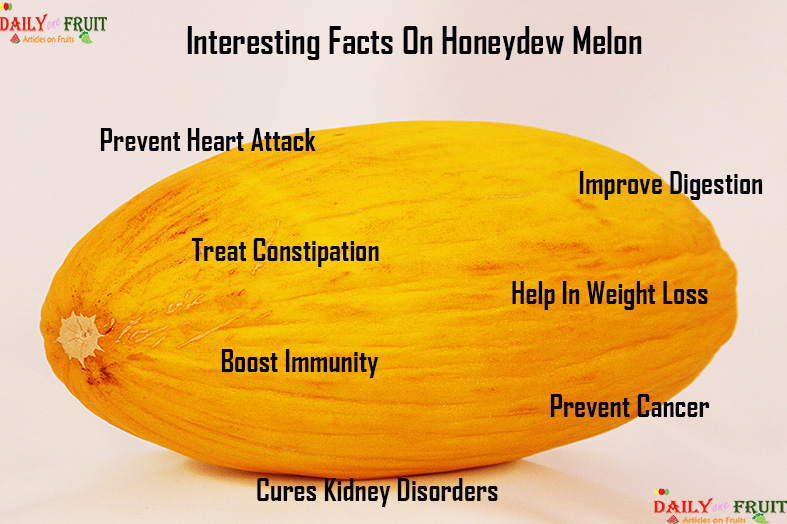
Interesting Facts on honey dew

Scientific Name Honeydew Melon fruit – Cucumis melo
Honeydew Melon Fruit Family – Cucurbits
Honeydew Melon fruit Names in Indian Language – முலாம் பழம் Mulam pazham ,മസ്മേലോൺ Musk Melon,Musk Melon
Honeydew Melon fruit Origin – southern France and Algeria

Honeydew Melon fruit hold the high amount of water,potassium,vitamin C,copper.
Amazing Health Benefits Of Honeydew Melon fruit lower the risk of heart disease,Prevent Cancer ,Treat Constipation,Cures Kidney Disease,improve Digestive Health,Treat Kidney Disorders,Energy Booster,Boost Immunity.

Nutrition chart for Honeydew Melon

Nutrition chart for Honeydew Melon – Article shows you the exact minerals, vitamins, cholesterol, carbohydrate, protein, fat compound present in the fruit based on the reference from Source: USDA Nutrient Database

NutrientUnit100g170g177g
Waterg89.82152.69158.98
Energykcal366164
Proteing0.540.920.96
Total lipid (fat)g0.140.240.25
Carbohydrate, by differenceg9.0915.4516.09
Fiber, total dietaryg0.81.41.4
Sugars, totalg8.1213.814.37
Calcium, Camg61011
Iron, Femg0.170.290.3
Magnesium, Mgmg101718
Phosphorus, Pmg111919
Potassium, Kmg228388404
Sodium, Namg183132
Zinc, Znmg0.090.150.16
Vitamin C, total ascorbic acidmg1830.631.9
Thiaminmg0.0380.0650.067
Riboflavinmg0.0120.020.021
Niacinmg0.4180.7110.74
Vitamin B-6mg0.0880.150.156
Folate, DFEµg193234
Vitamin B-12µg000
Vitamin A, RAEµg355
Vitamin A, IUIU508588
Vitamin E (alpha-tocopherol)mg0.020.030.04
Vitamin D (D2 + D3)µg000
Vitamin DIU000
Vitamin K (phylloquinone)µg2.94.95.1
Fatty acids, total saturatedg0.0380.0650.067
Fatty acids, total monounsaturatedg0.0030.0050.005
Fatty acids, total polyunsaturatedg0.0590.10.104
Fatty acids, total transg000
Cholesterolmg000

WATER
Water is an essential compound needed in the diet to promote good digestion,blood circulation and to flush out the waste toxin – chemical compound from our body .
100g of Honeydew Melon contains 89.82 g of water .
170g of Honeydew Melon contains 152.69 g of water .
177g of Honeydew Melon contains 158.98 g of water .

PROTEINS
Proteins are essential nutrients for our body. Proteins are one of the building blocks of body tissue, and can also serve as a fuel source throughout the day.
100g of Honeydew Melon contains 0.54 g of PROTEINS .
170g of Honeydew Melon contains 0.92 g of PROTEINS .
177g of Honeydew Melon contains 0.96 g of PROTEINS .

FAT (lipid)
Cholesterol is a fatty substance known as a lipid and is vital for the normal functioning of the body. Too much fat in your blood, it can increase your risk of heart disease.
100g of Honeydew Melon contains 0.14 g of Cholesterol .
170g of Honeydew Melon contains 0.24 g of Cholesterol .
177g of Honeydew Melon contains 0.25 g of Cholesterol .

IRON
Iron is a mineral that is required for our bodies to function properly. Most of the iron in our body is found in the blood as hemoglobin, which is a protein used to carry oxygen to the body’s tissues.
100g of Honeydew Melon contains 0.17 mg of IRON .
170g of Honeydew Melon contains 0.29 mg of IRON .
177g of Honeydew Melon contains 0.3 mg of IRON .

CALCIUM
Calcium is the most plentiful mineral found in the human body. The teeth and bones contain the most calcium.
100g of Honeydew Melon contains 6 mg of CALCIUM .
170g of Honeydew Melon contains 10 mg of CALCIUM .
177g of Honeydew Melon contains 11 mg of CALCIUM .

CARBOHYDRATE
Carbohydrates are energy-providing nutrients.
100g of Honeydew Melon contains 9.09 g of CARBOHYDRATE .
170g of Honeydew Melon contains 15.45 g of CARBOHYDRATE .
177g of Honeydew Melon contains 16.09 g of CARBOHYDRATE .

POTASSIUM
Potassium is a mineral that help muscles contract, regulate fluids and mineral in and out of body cells, and helps maintain normal blood pressure by blunting the effect of sodium.
100g of Honeydew Melon contains 228 mg of POTASSIUM .
170g of Honeydew Melon contains 388 mg of POTASSIUM .
177g of Honeydew Melon contains 404 mg of POTASSIUM .

VITAMIN C
Vitamin C is also called ascorbic acid, which is the form of vitamin C found in most foods.Vitamin C is needed for proper growth, development, and to heal wounds.
100g of Honeydew Melon contains 18 mg of VITAMIN C .
170g of Honeydew Melon contains 30.6 mg of VITAMIN C .
177g of Honeydew Melon contains 31.9 mg of VITAMIN C .

VITAMIN B12
100g of Honeydew Melon contains 0 g of VITAMIN B12 .
170g of Honeydew Melon contains 0 g of VITAMIN B12 .
177g of Honeydew Melon contains 0 g of VITAMIN B12 .

SODIUM
Sodium in the diet (called dietary sodium) is measured in milligrams (mg).
100g of Honeydew Melon contains 18 mg of SODIUM .
170g of Honeydew Melon contains 31 mg of SODIUM .
177g of Honeydew Melon contains 32 mg of SODIUM .

DIETARY FIBER
Fiber promotes the movement of material through your digestive system and increases stool bulk, so it can be of benefit to those who struggle with constipation or irregular stools.
100g of Honeydew Melon contains 0.8 g of DIETARY FIBER .
170g of Honeydew Melon contains 1.4 g of DIETARY FIBER .
177g of Honeydew Melon contains 1.4 g of DIETARY FIBER .

Advertisement

Nutrition chart for lime

Interesting Facts On Lime

Scientific Name lime fruit – Citrus aurantiifolia
lime Fruit Family – Rutaceae
lime fruit Names in Indian Language –எலுமிச்சம்பழம்(Elumichai),നാരങ്ങ Cherunaranga,नींबू Bara Nimbu
lime fruit Origin – Believed to have first grown in Indonesia or Southeast Asia, and then transported to the Mediterranean region and north Africa.

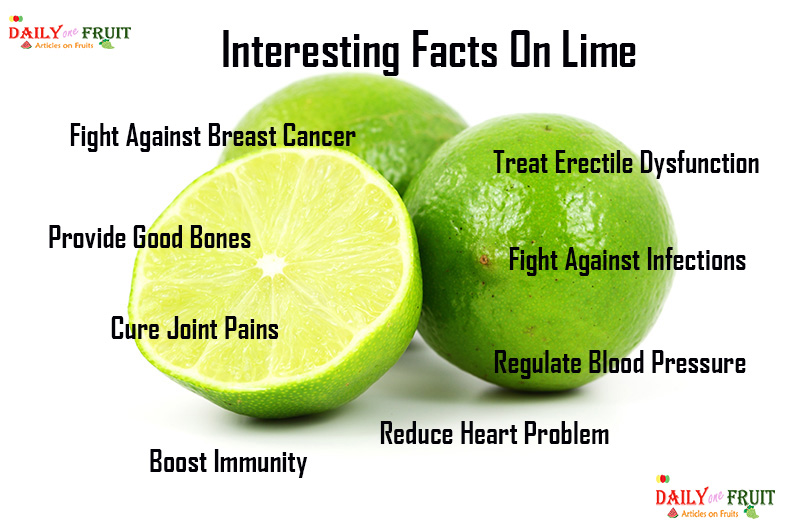
Amazing Health Benefits Of lime fruit act against Breast Cancer,Fight Arthritis and Joint Pain,Lower Your Risk of Heart Disease,Treat Erectile Dysfunction,Fight Bacterial and Fungal Infections.

Nutrition chart for lime

Nutrition chart for lime – Article shows you the exact minerals, vitamins, cholesterol, carbohydrate, protein, fat compound present in the fruit based on the reference from Source: USDA Nutrient Database

Nutrientunit100g
Waterg88.26
Energykcal30
Proteing0.7
Total lipid (fat)g0.2
Carbohydrate, by differenceg10.54
Fiber, total dietaryg2.8
Sugars, totalg1.69
Calcium, Camg33
Iron, Femg0.6
Magnesium, Mgmg6
Phosphorus, Pmg18
Potassium, Kmg102
Sodium, Namg2
Zinc, Znmg0.11
Vitamin C, total ascorbic acidmg29.1
Thiaminmg0.03
Riboflavinmg0.02
Niacinmg0.2
Vitamin B-6mg0.043
Folate, DFEµg8
Vitamin B-12µg0
Vitamin A, RAEµg2
Vitamin A, IUIU50
Vitamin E (alpha-tocopherol)mg0.22
Vitamin D (D2 + D3)µg0
Vitamin DIU0
Vitamin K (phylloquinone)µg0.6
Fatty acids, total saturatedg0.022
Fatty acids, total monounsaturatedg0.019
Fatty acids, total polyunsaturatedg0.055
Fatty acids, total transg0
Cholesterolmg0

WATER
Water is an essential compound needed in the diet to promote good digestion,blood circulation and to flush out the waste toxin – chemical compound from our body .
100g of Lime contains 88.26 g of water .

PROTEINS
Proteins are essential nutrients for our body. Proteins are one of the building blocks of body tissue, and can also serve as a fuel source throughout the day.
100g of Lime contains 0.7 g of PROTEINS .

FAT(lipid)
Cholesterol is a fatty substance known as a lipid and is vital for the normal functioning of the body. Too much fat in your blood, it can increase your risk of heart disease.
100g of Lime contains 0.2 g of Cholesterol .

IRON
Iron is a mineral that is required for our bodies to function properly. Most of the iron in our body is found in the blood as hemoglobin, which is a protein used to carry oxygen to the body’s tissues.
100g of Lime contains 0.6 mg of IRON .

CALCIUM
Calcium is the most plentiful mineral found in the human body. The teeth and bones contain the most calcium.
100g of Lime contains 33 mg of CALCIUM .

CARBOHYDRATE
Carbohydrates are energy-providing nutrients.
100g of Lime contains 10.54 g of CARBOHYDRATE .

POTASSIUM
Potassium is a mineral that help muscles contract, regulate fluids and mineral in and out of body cells, and helps maintain normal blood pressure by blunting the effect of sodium.
100g of Lime contains 102 mg of POTASSIUM .

VITAMIN C
Vitamin C is also called ascorbic acid, which is the form of vitamin C found in most foods.Vitamin C is needed for proper growth, development, and to heal wounds.
100g of Lime contains 29.1 mg of VITAMIN C .

VITAMIN B12
100g of Lime contains 0 g of VITAMIN B12 .

SODIUM
Sodium in the diet (called dietary sodium) is measured in milligrams (mg).
100g of Lime contains 2 mg of SODIUM .

DIETARY FIBER
Fiber promotes the movement of material through your digestive system and increases stool bulk, so it can be of benefit to those who struggle with constipation or irregular stools.
100g of Lime contains 2.8 g of DIETARY FIBER .

Advertisement

Nutrition chart for Orange

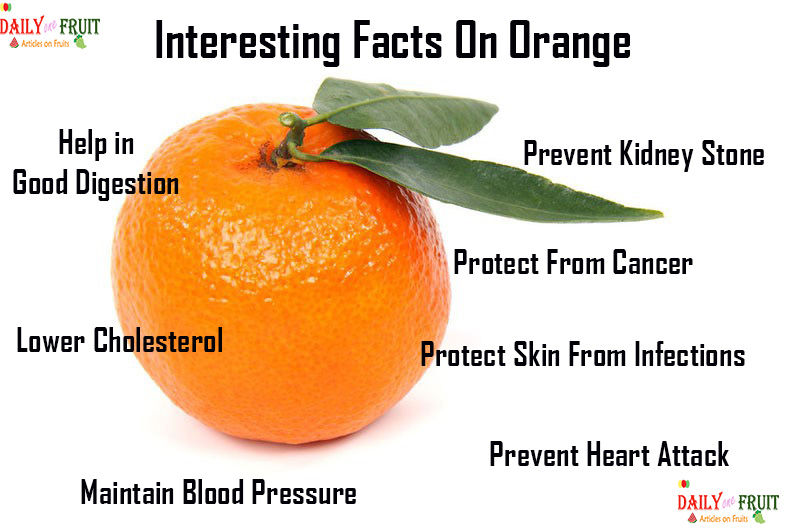
interesting facts on orange

Scientific Name Orange fruit – (Orange sour)Seville Citrus aurantium,
(Orange sweet )Citrus sinensis.
Orange Fruit Family – Rutaceae .
Orange fruit Names in Indian Language –ஆரஞ்சுப் பழம்(Naaram) , ഓറഞ്ച് Naaranga, नारंगी Narangi .
Orange fruit Origin – The Orange is assumed to have originated in southern China, northeastern India, and perhaps southeastern Asia, and that they were first cultivated in China around 2500 BC.

Orange fruit is rich in vitamin C, vitamin A precursors, calcium, potassium and pectin.Amazing Health Benefits Of Orange fruit are prevent kidney diseases,fight liver cancer,lower cholesterol, protect skin, regulate high blood pressure, Diabetes, Heart health.

Nutrition chart for Orange

Nutrition chart for Orange – Article shows you the exact minerals, vitamins, cholesterol, carbohydrate, protein, fat compound present in the fruit based on the reference from Source: USDA Nutrient Database

NutrientUnit100g170g159g
Waterg82.3139.91130.86
Energykcal63107100
Proteing1.32.212.07
Total lipid (fat)g0.30.510.48
Carbohydrate, by differenceg15.526.3524.64
Fiber, total dietaryg4.57.77.2
Calcium, Camg70119111
Iron, Femg0.81.361.27
Magnesium, Mgmg142422
Phosphorus, Pmg223735
Potassium, Kmg196333312
Sodium, Namg233
Zinc, Znmg0.110.190.17
Vitamin C, total ascorbic acidmg71120.7112.9
Thiaminmg0.10.170.159
Riboflavinmg0.050.0850.08
Niacinmg0.50.850.795
Vitamin B-6mg0.0930.1580.148
Folate, DFEµg305148
Vitamin B-12µg000
Vitamin A, RAEµg132221
Vitamin A, IUIU250425398
Fatty acids, total saturatedg0.0350.060.056
Fatty acids, total monounsaturatedg0.0550.0930.087
Fatty acids, total polyunsaturatedg0.060.1020.095
Fatty acids, total transg000
Cholesterolmg000

WATER
Water is an essential compound needed in the diet to promote good digestion,blood circulation and to flush out the waste toxin – chemical compound from our body .
100g of Orange contains 82.3 g of water .
170g of Orange contains 139.91 g of water .
159g of Orange contains 130.86 g of water .

PROTEINS
Proteins are essential nutrients for our body. Proteins are one of the building blocks of body tissue, and can also serve as a fuel source throughout the day.
100g of Orange contains 1.3 g of PROTEINS .
170g of Orange contains 2.21 g of PROTEINS .
159g of Orange contains 2.07 g of PROTEINS .

FAT (lipid)
Cholesterol is a fatty substance known as a lipid and is vital for the normal functioning of the body. Too much fat in your blood, it can increase your risk of heart disease.
100g of Orange contains 0.3 g of Cholesterol .
170g of Orange contains 0.51 g of Cholesterol .
159g of Orange contains 0.48 g of Cholesterol .

IRON
Iron is a mineral that is required for our bodies to function properly. Most of the iron in our body is found in the blood as hemoglobin, which is a protein used to carry oxygen to the body’s tissues.
100g of Orange contains 0.8 mg of IRON .
170g of Orange contains 1.36 mg of IRON .
159g of Orange contains 1.27 mg of IRON .

CALCIUM
Calcium is the most plentiful mineral found in the human body. The teeth and bones contain the most calcium.
100g of Orange contains 70 mg of CALCIUM .
170g of Orange contains 119 mg of CALCIUM .
159g of Orange contains 111 mg of CALCIUM .

CARBOHYDRATE
Carbohydrates are energy-providing nutrients.
100g of Orange contains 15.5 g of CARBOHYDRATE .
170g of Orange contains 26.35 g of CARBOHYDRATE .
159g of Orange contains 24.64 g of CARBOHYDRATE .

POTASSIUM
Potassium is a mineral that help muscles contract, regulate fluids and mineral in and out of body cells, and helps maintain normal blood pressure by blunting the effect of sodium.
100g of Orange contains 196 mg of POTASSIUM .
170g of Orange contains 333 mg of POTASSIUM .
159g of Orange contains 312 mg of POTASSIUM .

VITAMIN C
Vitamin C is also called ascorbic acid, which is the form of vitamin C found in most foods.Vitamin C is needed for proper growth, development, and to heal wounds.
100g of Orange contains 71 mg of VITAMIN C .
170g of Orange contains 120.7 mg of VITAMIN C .
159g of Orange contains 112.9 mg of VITAMIN C .

VITAMIN B12
100g of Orange contains 0 g of VITAMIN B12 .
170g of Orange contains 0 g of VITAMIN B12 .
159g of Orange contains 0 g of VITAMIN B12 .

SODIUM
Sodium in the diet (called dietary sodium) is measured in milligrams (mg).
100g of Orange contains 2 mg of SODIUM .
170g of Orange contains 3 mg of SODIUM .
159g of Orange contains 3 mg of SODIUM .

DIETARY FIBER
Fiber promotes the movement of material through your digestive system and increases stool bulk, so it can be of benefit to those who struggle with constipation or irregular stools.
100g of Orange contains 4.5 g of DIETARY FIBER .
170g of Orange contains 7.7 g of DIETARY FIBER .

159g of Orange contains 7.2 g of DIETARY FIBER .

Advertisement

Nutrition chart for Olive

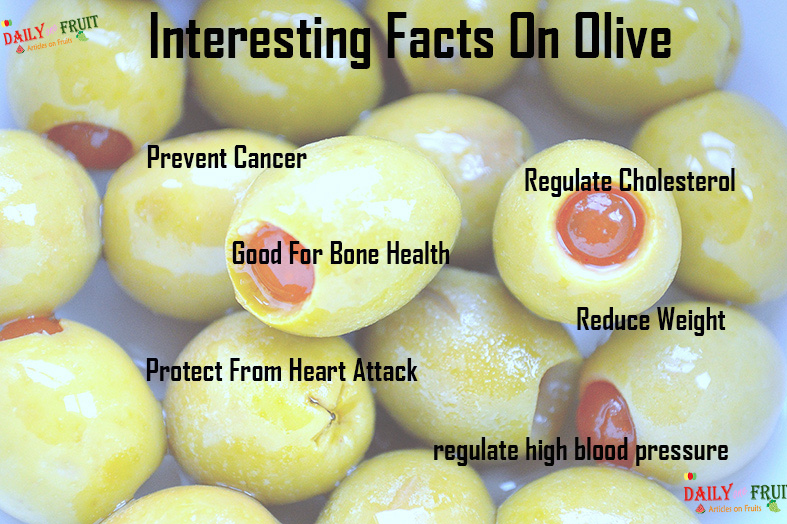
Interesting facts on olive

Scientific Name Olive fruit – Olea europaea .
Olive Fruit Family – Oleaceae .
Olive fruit Origin – The Olive is from northern tropical Africa and was introduced into the countries of the Mediterranean Basin via Egypt .

Olive fruit is packed with good nutrient such as Vitamin E,Iron ,Copper ,Calcium ,Sodium.Amazing Health Benefits Of Olive fruit are Cancer Prevention,improved Bone Health,regulate cholesterol levels and protect the LDL- cholesterol,Weight Loss,reduce Cardiovascular problem.

Nutrition chart for Olive

Nutrition chart for Olive – Article shows you the exact minerals, vitamins, cholesterol, carbohydrate, protein, fat compound present in the fruit based on the reference from Source: USDA Nutrient Database

NutrientUnit100g
Waterg79.99
Energykcal115
Proteing0.84
Total lipid (fat)g10.68
Carbohydrate, by differenceg6.26
Fiber, total dietaryg3.2
Sugars, totalg0
Calcium, Camg88
Iron, Femg3.3
Magnesium, Mgmg4
Phosphorus, Pmg3
Potassium, Kmg8
Sodium, Namg735
Zinc, Znmg0.22
Vitamin C, total ascorbic acidmg0.9
Thiaminmg0.003
Riboflavinmg0
Niacinmg0.037
Vitamin B-6mg0.009
Folate, DFEµg0
Vitamin B-12µg0
Vitamin A, RAEµg20
Vitamin A, IUIU403
Vitamin E (alpha-tocopherol)mg1.65
Vitamin D (D2 + D3)µg0
Vitamin DIU0
Vitamin K (phylloquinone)µg1.4
Fatty acids, total saturatedg1.415
Fatty acids, total monounsaturatedg7.888
Fatty acids, total polyunsaturatedg0.911
Fatty acids, total transg0
Cholesterolmg0

WATER
Water is an essential compound needed in the diet to promote good digestion,blood circulation and to flush out the waste toxin – chemical compound from our body .
100g of Olive contains 79.99 g of water .

PROTEINS
Proteins are essential nutrients for our body. Proteins are one of the building blocks of body tissue, and can also serve as a fuel source throughout the day.
100g of Olive contains 0.84 g of PROTEINS .

FAT(lipid)
Cholesterol is a fatty substance known as a lipid and is vital for the normal functioning of the body. Too much fat in your blood, it can increase your risk of heart disease.
100g of Olive contains 10.68 g of Cholesterol .

IRON
Iron is a mineral that is required for our bodies to function properly. Most of the iron in our body is found in the blood as hemoglobin, which is a protein used to carry oxygen to the body’s tissues.
100g of Olive contains 3.3 mg of IRON .

CALCIUM
Calcium is the most plentiful mineral found in the human body. The teeth and bones contain the most calcium.
100g of Olive contains 88 mg of CALCIUM .

CARBOHYDRATE
Carbohydrates are energy-providing nutrients.
100g of Olive contains 6.26 g of CARBOHYDRATE .

POTASSIUM
Potassium is a mineral that help muscles contract, regulate fluids and mineral in and out of body cells, and helps maintain normal blood pressure by blunting the effect of sodium.
100g of Olive contains 8 mg of POTASSIUM .

VITAMIN C
Vitamin C is also called ascorbic acid, which is the form of vitamin C found in most foods.Vitamin C is needed for proper growth, development, and to heal wounds.
100g of Olive contains 0.9 mg of VITAMIN C .

VITAMIN B12
100g of Olive contains 0 g of VITAMIN B12 .

SODIUM
Sodium in the diet (called dietary sodium) is measured in milligrams (mg).
100g of Olive contains 735 mg of SODIUM .

DIETARY FIBER
Fiber promotes the movement of material through your digestive system and increases stool bulk, so it can be of benefit to those who struggle with constipation or irregular stools.
100g of Olive contains 3.2 g of DIETARY FIBER .

Advertisement

Nutrition chart for papaya

Scientific Name papaya fruit – Carica papaya
papaya Fruit Family – Punicaceae
papaya fruit Names in Indian Language – பப்பாளிப் பழம் ( Papalipazham ),പപ്പായ Omakka,पपीता Papita.
papaya fruit Origin – The papaya is native from Iran to the Himalayas in northern India and was cultivated and naturalized over the whole Mediterranean region since ancient times.

Intersting facts on papaya
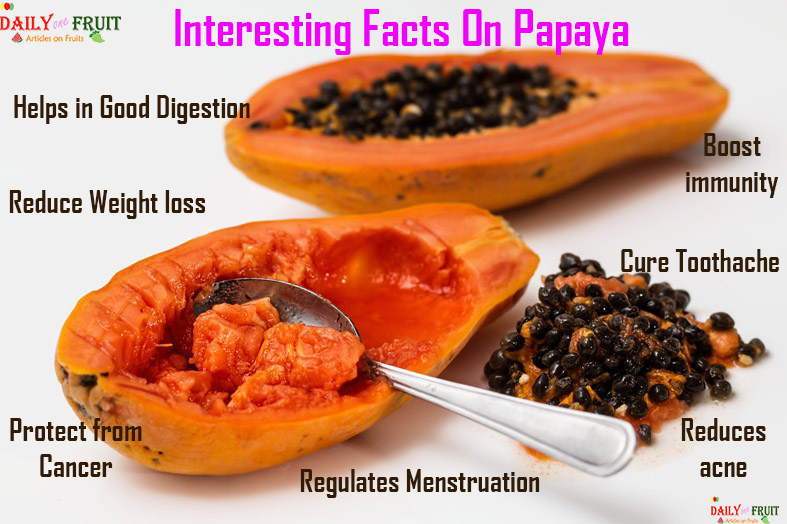
Interesting facts on papaya

Papaya is a good antioxidant agent and rich in carotenes, flavonoids, vitamin C,vitamin B, folate, magnesium.Amazing Health Benefits Of papaya fruit helps in digestion,weight loss,regulates menstruation,relief from a toothache,reduce the risk of cancer properties,improves heart health,reduces acne, macular degeneration,treats constipation,prevent arthritis,improves immunity.

Nutrition chart for papaya

Nutrition chart for papaya – Article shows you the exact minerals, vitamins, cholesterol, carbohydrate, protein, fat compound present in the fruit based on the reference from Source: USDA Nutrient Database

NutrientUnit100g230g781g
Waterg88.06202.54687.75
Energykcal4399336
Proteing0.471.083.67
Total lipid (fat)g0.260.62.03
Carbohydrate, by differenceg10.8224.8984.5
Fiber, total dietaryg1.73.913.3
Sugars, totalg7.8217.9961.07
Calcium, Camg2046156
Iron, Femg0.250.571.95
Magnesium, Mgmg2148164
Phosphorus, Pmg102378
Potassium, Kmg1824191421
Sodium, Namg81862
Zinc, Znmg0.080.180.62
Vitamin C, total ascorbic acidmg60.9140.1475.6
Thiaminmg0.0230.0530.18
Riboflavinmg0.0270.0620.211
Niacinmg0.3570.8212.788
Vitamin B-6mg0.0380.0870.297
Folate, DFEµg3785289
Vitamin B-12µg000
Vitamin A, RAEµg47108367
Vitamin A, IUIU95021857420
Vitamin E (alpha-tocopherol)mg0.30.692.34
Vitamin D (D2 + D3)µg000
Vitamin DIU000
Vitamin K (phylloquinone)µg2.6620.3
Fatty acids, total saturatedg0.0810.1860.633
Fatty acids, total monounsaturatedg0.0720.1660.562
Fatty acids, total polyunsaturatedg0.0580.1330.453
Fatty acids, total transg000
Cholesterolmg000

WATER
Water is an essential compound needed in the diet to promote good digestion,blood circulation and to flush out the waste toxin – chemical compound from our body .
100g of Papaya contains 88.06 g of water .
230g of Papaya contains 202.54 g of water .
781g of Papaya contains 687.75 g of water .

PROTEINS
Proteins are essential nutrients for our body. Proteins are one of the building blocks of body tissue, and can also serve as a fuel source throughout the day.
100g of Papaya contains 0.47 g of PROTEINS .
230g of Papaya contains 1.08 g of PROTEINS .
781g of Papaya contains 3.67 g of PROTEINS .

FAT (lipid)
Cholesterol is a fatty substance known as a lipid and is vital for the normal functioning of the body. Too much fat in your blood, it can increase your risk of heart disease.
100g of Papaya contains 0.26 g of Cholesterol .
230g of Papaya contains 0.6 g of Cholesterol .
781g of Papaya contains 2.03 g of Cholesterol .

IRON
Iron is a mineral that is required for our bodies to function properly. Most of the iron in our body is found in the blood as hemoglobin, which is a protein used to carry oxygen to the body’s tissues.
100g of Papaya contains 0.25 mg of IRON .
230g of Papaya contains 0.57 mg of IRON .
781g of Papaya contains 1.95 mg of IRON .

CALCIUM
Calcium is the most plentiful mineral found in the human body. The teeth and bones contain the most calcium.
100g of Papaya contains 20 mg of CALCIUM .
230g of Papaya contains 46 mg of CALCIUM .
781g of Papaya contains 156 mg of CALCIUM .

CARBOHYDRATE
Carbohydrates are energy-providing nutrients.
100g of Papaya contains 10.82 g of CARBOHYDRATE .
230g of Papaya contains 24.89 g of CARBOHYDRATE .
781g of Papaya contains 84.5 g of CARBOHYDRATE .

POTASSIUM
Potassium is a mineral that help muscles contract, regulate fluids and mineral in and out of body cells, and helps maintain normal blood pressure by blunting the effect of sodium.
100g of Papaya contains 182 mg of POTASSIUM .
230g of Papaya contains 419 mg of POTASSIUM .
781g of Papaya contains 1421 mg of POTASSIUM .

VITAMIN C
Vitamin C is also called ascorbic acid, which is the form of vitamin C found in most foods.Vitamin C is needed for proper growth, development, and to heal wounds.
100g of Papaya contains 60.9 mg of VITAMIN C .
230g of Papaya contains 140.1 mg of VITAMIN C .
781g of Papaya contains 475.6 mg of VITAMIN C .

VITAMIN B12
100g of Papaya contains 0 g of VITAMIN B12 .
230g of Papaya contains 0 g of VITAMIN B12 .
781g of Papaya contains 0 g of VITAMIN B12 .

SODIUM
Sodium in the diet (called dietary sodium) is measured in milligrams (mg).
100g of Papaya contains 8 mg of SODIUM .
230g of Papaya contains 18 mg of SODIUM .
781g of Papaya contains 62 mg of SODIUM .

DIETARY FIBER
Fiber promotes the movement of material through your digestive system and increases stool bulk, so it can be of benefit to those who struggle with constipation or irregular stools.
100g of Papaya contains 1.7 g of DIETARY FIBER .

230g of Papaya contains 3.9 g of DIETARY FIBER .

781g of Papaya contains 13.3 g of DIETARY FIBER .

Advertisement

Facts On Fruits

Fruit Recipe

Skin Care From Fruits