
Lakshmi

596 POSTS 12 COMMENTS
Most Of my friends who are visiting this blog calls me and ask me – where do you get these fruits ? Are You a Fruitarian ? I really Appreciate those friends taking interest in eating healthy diet and my answer to their question is –Some Fruit are not available in india , Mainly it is found outside Asia ,And of course , I am not a Fruitarian ,I suggest instead of taking a multivitamin tablet, it is better to eat fruits daily, Your comments are always welcome in my inbox dailyonefruit@gmail.com. Have a happy life – make your life happy… Cheers

Nutrition chart for Tangerine

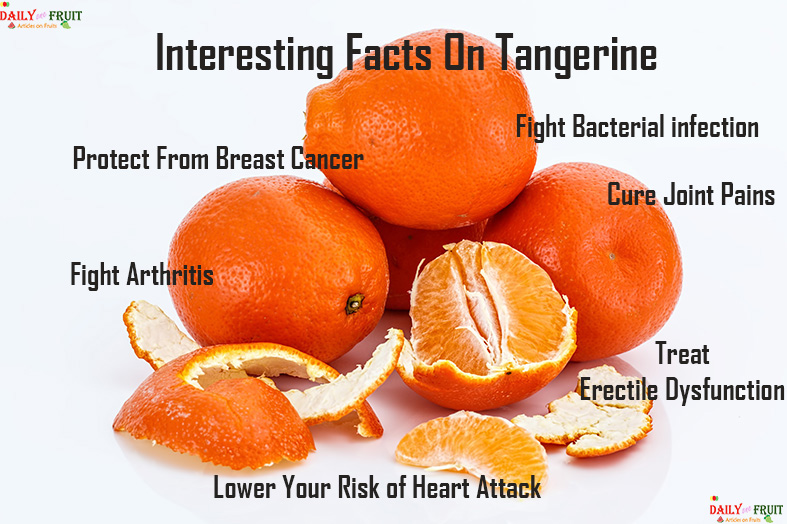
Interesting fact on tangerine
Nutrition chart for Tangerine

Scientific Name Tangerine fruit – Citrus reticulata
Tangerine Fruit Family – Rutaceae
Tangerine fruit Origin –The origin of tangerines or mandarin oranges is in south-eastern Asia and the Philippines.

Amazing Health Benefits Of Tangerine fruit act against Breast Cancer preventing agent,Fight Arthritis and Joint Pain,Lower the Risk of Heart Disease,Treat Erectile Dysfunction,Fight Bacterial and Fungal Infections.

Nutrition chart for Tangerine – Article shows you the exact minerals, vitamins, cholesterol, carbohydrate, protein, fat compound present in the fruit based on the reference from Source: USDA Nutrient Database

Nutrition chart for Tangerine

NutrientUnit100g120195g
Waterg85.17102.2166.08
Energykcal5364103
Proteing0.810.971.58
Total lipid (fat)g0.310.370.6
Carbohydrate, by differenceg13.3416.0126.01
Fiber, total dietaryg1.82.23.5
Sugars, totalg10.5812.720.63
Calcium, Camg374472
Iron, Femg0.150.180.29
Magnesium, Mgmg121423
Phosphorus, Pmg202439
Potassium, Kmg166199324
Sodium, Namg224
Zinc, Znmg0.070.080.14
Vitamin C, total ascorbic acidmg26.73252.1
Thiaminmg0.0580.070.113
Riboflavinmg0.0360.0430.07
Niacinmg0.3760.4510.733
Vitamin B-6mg0.0780.0940.152
Folate, DFEµg161931
Vitamin B-12µg000
Vitamin A, RAEµg344166
Vitamin A, IUIU6818171328
Vitamin E (alpha-tocopherol)mg0.20.240.39
Vitamin D (D2 + D3)µg000
Vitamin DIU000
Vitamin K (phylloquinone)µg000
Fatty acids, total saturatedg0.0390.0470.076
Fatty acids, total monounsaturatedg0.060.0720.117
Fatty acids, total polyunsaturatedg0.0650.0780.127
Fatty acids, total transg000
Cholesterolmg000

WATER
Water is an essential compound needed in the diet to promote good digestion,blood circulation and to flush out the waste toxin – chemical compound from our body .
100g of Tangerine contains 85.17 g of water .
120g of Tangerine contains 102.2 g of water .
195g of Tangerine contains 166.08 g of water .

PROTEINS
Proteins are essential nutrients for our body. Proteins are one of the building blocks of body tissue, and can also serve as a fuel source throughout the day.
100g of Tangerine contains 0.81 g of PROTEINS .
120g of Tangerine contains 0.97 g of PROTEINS .
195g of Tangerine contains 1.58 g of PROTEINS .

FAT (lipid)
Cholesterol is a fatty substance known as a lipid and is vital for the normal functioning of the body. Too much fat in your blood, it can increase your risk of heart disease.
100g of Tangerine contains 0.31 g of Cholesterol .
120g of Tangerine contains 0.37 g of Cholesterol .
195g of Tangerine contains 0.6 g of Cholesterol .

IRON
Iron is a mineral that is required for our bodies to function properly. Most of the iron in our body is found in the blood as hemoglobin, which is a protein used to carry oxygen to the body’s tissues.
100g of Tangerine contains 0.15 mg of IRON .
120g of Tangerine contains 0.18 mg of IRON .
195g of Tangerine contains 0.29 mg of IRON .

CALCIUM
Calcium is the most plentiful mineral found in the human body. The teeth and bones contain the most calcium.
100g of Tangerine contains 37 mg of CALCIUM .
120g of Tangerine contains 44 mg of CALCIUM .
195g of Tangerine contains 72 mg of CALCIUM .

CARBOHYDRATE
Carbohydrates are energy-providing nutrients.
100g of Tangerine contains 13.34 g of CARBOHYDRATE .
120g of Tangerine contains 16.01 g of CARBOHYDRATE .
195g of Tangerine contains 26.01 g of CARBOHYDRATE .

POTASSIUM
Potassium is a mineral that help muscles contract, regulate fluids and mineral in and out of body cells, and helps maintain normal blood pressure by blunting the effect of sodium.
100g of Tangerine contains 166 mg of POTASSIUM .
120g of Tangerine contains 199 mg of POTASSIUM .
195g of Tangerine contains 324 mg of POTASSIUM .

VITAMIN C
Vitamin C is also called ascorbic acid, which is the form of vitamin C found in most foods.Vitamin C is needed for proper growth, development, and to heal wounds.
100g of Tangerine contains 26.7 mg of VITAMIN C .
120g of Tangerine contains 32 mg of VITAMIN C .
195g of Tangerine contains 52.1 mg of VITAMIN C .

VITAMIN B12
100g of Tangerine contains 0 g of VITAMIN B12 .
120g of Tangerine contains 0 g of VITAMIN B12 .
195g of Tangerine contains 0 g of VITAMIN B12 .

SODIUM
Sodium in the diet (called dietary sodium) is measured in milligrams (mg).
100g of Tangerine contains 2 mg of SODIUM .
120g of Tangerine contains 2 mg of SODIUM .
195g of Tangerine contains 4 mg of SODIUM .

DIETARY FIBER
Fiber promotes the movement of material through your digestive system and increases stool bulk, so it can be of benefit to those who struggle with constipation or irregular stools.
100g of Tangerine contains 1.8 g of DIETARY FIBER .
120g of Tangerine contains 2.2 g of DIETARY FIBER .
195g of Tangerine contains 3.5 g of DIETARY FIBER .
Advertisement

Nutrition chart for Raspberry

Interesting fact on Rasberry
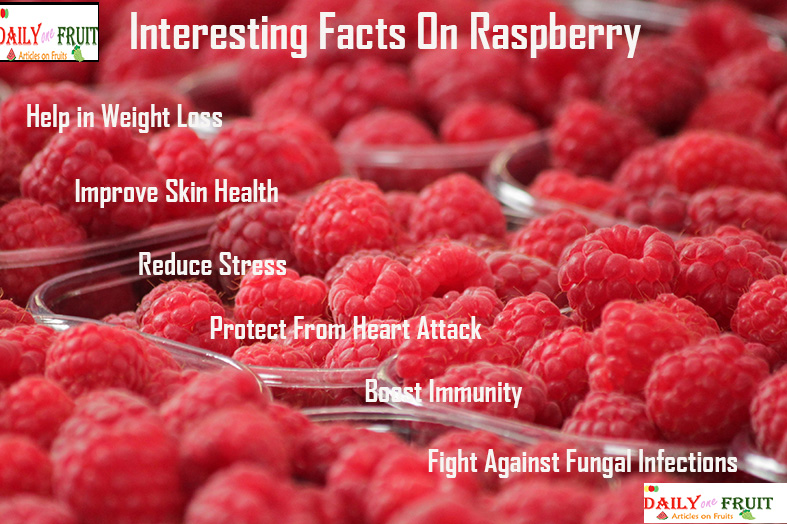
Interesting fact on Raspberry

Scientific Name Raspberry fruit – Rubus idaeus
Raspberry Fruit Family – Rosaceae
Raspberry fruit Origin -The Raspberry is believed to have originated mainly in Eastern Asia

Raspberry contain vitamin C, manganese, dietary fiber,B vitamins, folic acid, copper, iron, ellagic acid, anthocyanins, gallic acid, quercetin, cyanidin, catechins, pelargonidin, kaempferol and salicylic acid.Amazing Health Benefits Of Raspberry fruit are aid in weight loss, improve skin health, and strengthen the immune system.

Nutrition chart for Raspberry – Article shows you the exact minerals, vitamins, cholesterol, carbohydrate, protein, fat compound present in the fruit based on the reference from Source: USDA Nutrient Database

Nutrition chart for Raspberry

NutrientUnit100g123g312g
Waterg85.75105.47267.54
Energykcal5264162
Proteing1.21.483.74
Total lipid (fat)g0.650.82.03
Carbohydrate, by differenceg11.9414.6937.25
Fiber, total dietaryg6.5820.3
Sugars, totalg4.425.4413.79
Calcium, Camg253178
Iron, Femg0.690.852.15
Magnesium, Mgmg222769
Phosphorus, Pmg293690
Potassium, Kmg151186471
Sodium, Namg113
Zinc, Znmg0.420.521.31
Vitamin C, total ascorbic acidmg26.232.281.7
Thiaminmg0.0320.0390.1
Riboflavinmg0.0380.0470.119
Niacinmg0.5980.7361.866
Vitamin B-6mg0.0550.0680.172
Folate, DFEµg212666
Vitamin B-12µg000
Vitamin A, RAEµg226
Vitamin A, IUIU3341103
Vitamin E (alpha-tocopherol)mg0.871.072.71
Vitamin D (D2 + D3)µg000
Vitamin DIU000
Vitamin K (phylloquinone)µg7.89.624.3
Fatty acids, total saturatedg0.0190.0230.059
Fatty acids, total monounsaturatedg0.0640.0790.2
Fatty acids, total polyunsaturatedg0.3750.4611.17
Fatty acids, total transg000
Cholesterolmg000

WATER
Water is an essential compound needed in the diet to promote good digestion,blood circulation and to flush out the waste toxin – chemical compound from our body .
100g of Raspberry contains 85.75 g of water .
123g of Raspberry contains 105.47 g of water .
312g of Raspberry contains 267.54 g of water .

PROTEINS
Proteins are essential nutrients for our body. Proteins are one of the building blocks of body tissue, and can also serve as a fuel source throughout the day.
100g of Raspberry contains 1.2 g of PROTEINS .
123g of Raspberry contains 1.48 g of PROTEINS .
312g of Raspberry contains 3.74 g of PROTEINS .

FAT (lipid)
Cholesterol is a fatty substance known as a lipid and is vital for the normal functioning of the body. Too much fat in your blood, it can increase your risk of heart disease.
100g of Raspberry contains 0.65 g of Cholesterol .
123g of Raspberry contains 0.8 g of Cholesterol .
312g of Raspberry contains 2.03 g of Cholesterol .

IRON
Iron is a mineral that is required for our bodies to function properly. Most of the iron in our body is found in the blood as hemoglobin, which is a protein used to carry oxygen to the body’s tissues.
100g of Raspberry contains 0.69 mg of IRON .
123g of Raspberry contains 0.85 mg of IRON .
312g of Raspberry contains 2.15 mg of IRON .

CALCIUM
Calcium is the most plentiful mineral found in the human body. The teeth and bones contain the most calcium.
100g of Raspberry contains 25 mg of CALCIUM .
123g of Raspberry contains 31 mg of CALCIUM .
312g of Raspberry contains 78 mg of CALCIUM .

CARBOHYDRATE
Carbohydrates are energy-providing nutrients.
100g of Raspberry contains 11.94 g of CARBOHYDRATE .
123g of Raspberry contains 14.69 g of CARBOHYDRATE .
312g of Raspberry contains 37.25 g of CARBOHYDRATE .

POTASSIUM
Potassium is a mineral that help muscles contract, regulate fluids and mineral in and out of body cells, and helps maintain normal blood pressure by blunting the effect of sodium.
100g of Raspberry contains 151 mg of POTASSIUM .
123g of Raspberry contains 186 mg of POTASSIUM .
312g of Raspberry contains 471 mg of POTASSIUM .

VITAMIN C
Vitamin C is also called ascorbic acid, which is the form of vitamin C found in most foods.Vitamin C is needed for proper growth, development, and to heal wounds.
100g of Raspberry contains 26.2 mg of VITAMIN C .
123g of Raspberry contains 32.2 mg of VITAMIN C .
312g of Raspberry contains 81.7 mg of VITAMIN C .

VITAMIN B12
100g of Raspberry contains 0 g of VITAMIN B12 .
123g of Raspberry contains 0 g of VITAMIN B12 .
312g of Raspberry contains 0 g of VITAMIN B12 .

SODIUM
Sodium in the diet (called dietary sodium) is measured in milligrams (mg).
100g of Raspberry contains 1 mg of SODIUM .
123g of Raspberry contains 1 mg of SODIUM .
312g of Raspberry contains 3 mg of SODIUM .

DIETARY FIBER
Fiber promotes the movement of material through your digestive system and increases stool bulk, so it can be of benefit to those who struggle with constipation or irregular stools.
100g of Raspberry contains 6.5 g of DIETARY FIBER .
123g of Raspberry contains 8 g of DIETARY FIBER .
312g of Raspberry contains 20.3 g of DIETARY FIBER .
Advertisement

Nutrition chart for Prunes

interesting facts on purnes
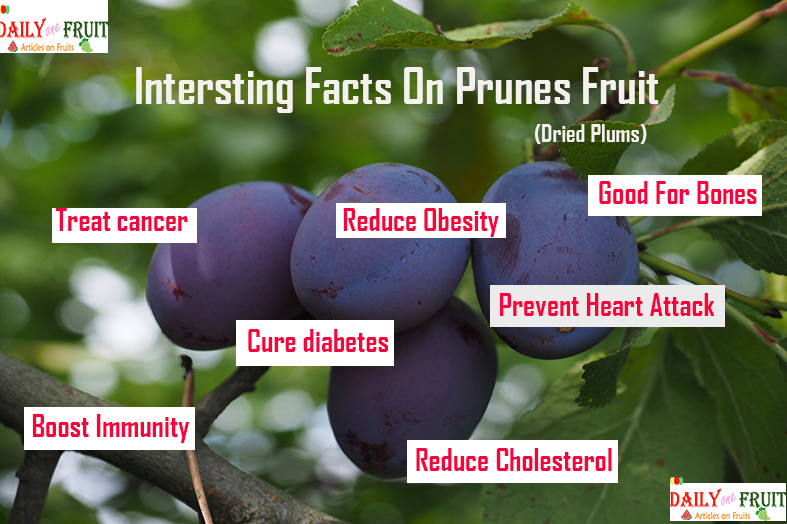
interesting facts on prunes

Scientific Name Prunes fruit – Prunus domestica
Prunes Fruit Family – Rosaceae
Prunes fruit Origin -The Prunes originated in China, where it was cultivated for thousands of years.

Prunes Fruit contain high amount of vitamin A, vitamin C, folate, and vitamin K,vitamin B1,vitamin B2,vitamin B3,vitamin B-6,vitamin E,potassium, fluoride, phosphorous, magnesium, iron, calcium, and zinc.Amazing Health Benefits Of prunes fruit are treat osteoporosis, macular degeneration, cancer, diabetes, obesity,maintain a healthy heart,reduce cholesterol levels,boost immunity,maintain electrolyte balance and blood clotting.

Nutrition chart for Prunes

Nutrition chart for Prunes – Article shows you the exact minerals, vitamins, cholesterol, carbohydrate, protein, fat compound present in the fruit based on the reference from Source: USDA Nutrient Database

Nutrientunit100g174g
Waterg30.9253.8
Energykcal240418
Proteing2.183.79
Total lipid (fat)g0.380.66
Carbohydrate, by differenceg63.88111.15
Fiber, total dietaryg7.112.4
Sugars, totalg38.1366.35
Calcium, Camg4375
Iron, Femg0.931.62
Magnesium, Mgmg4171
Phosphorus, Pmg69120
Potassium, Kmg7321274
Sodium, Namg23
Zinc, Znmg0.440.77
Vitamin C, total ascorbic acidmg0.61
Thiaminmg0.0510.089
Riboflavinmg0.1860.324
Niacinmg1.8823.275
Vitamin B-6mg0.2050.357
Folate, DFEµg47
Vitamin B-12µg00
Vitamin A, RAEµg3968
Vitamin A, IUIU7811359
Vitamin E (alpha-tocopherol)mg0.430.75
Vitamin D (D2 + D3)µg00
Vitamin DIU00
Vitamin K (phylloquinone)µg59.5103.5
Fatty acids, total saturatedg0.0880.153
Fatty acids, total monounsaturatedg0.0530.092
Fatty acids, total polyunsaturatedg0.0620.108
Cholesterolmg00

WATER
Water is an essential compound needed in the diet to promote good digestion,blood circulation and to flush out the waste toxin – chemical compound from our body .
100g of Plum contains 30.92 g of water .
174g of Plum contains 53.8 g of water .

PROTEINS
Proteins are essential nutrients for our body. Proteins are one of the building blocks of body tissue, and can also serve as a fuel source throughout the day.
100g of Plum contains 2.18 g of PROTEINS .
174g of Plum contains 3.79 g of PROTEINS .

FAT (lipid)
Cholesterol is a fatty substance known as a lipid and is vital for the normal functioning of the body. Too much fat in your blood, it can increase your risk of heart disease.
100g of Plum contains 0.38 g of Cholesterol .
174g of Plum contains 0.66 g of Cholesterol .

IRON
Iron is a mineral that is required for our bodies to function properly. Most of the iron in our body is found in the blood as hemoglobin, which is a protein used to carry oxygen to the body’s tissues.
100g of Plum contains 0.93 mg of IRON .
174g of Plum contains 1.62 mg of IRON .

CALCIUM
Calcium is the most plentiful mineral found in the human body. The teeth and bones contain the most calcium.
100g of Plum contains 43 mg of CALCIUM .
174g of Plum contains 75 mg of CALCIUM .

CARBOHYDRATE
Carbohydrates are energy-providing nutrients.
100g of Plum contains 63.88 g of CARBOHYDRATE .
174g of Plum contains 111.15 g of CARBOHYDRATE .

POTASSIUM
Potassium is a mineral that help muscles contract, regulate fluids and mineral in and out of body cells, and helps maintain normal blood pressure by blunting the effect of sodium.
100g of Plum contains 732 mg of POTASSIUM .
174g of Plum contains 1274 mg of POTASSIUM .

VITAMIN C
Vitamin C is also called ascorbic acid, which is the form of vitamin C found in most foods.Vitamin C is needed for proper growth, development, and to heal wounds.
100g of Plum contains 0.6 mg of VITAMIN C .
174g of Plum contains 1 mg of VITAMIN C .

VITAMIN B12
100g of Plum contains 0 g of VITAMIN B12 .
174g of Plum contains 0 g of VITAMIN B12 .

SODIUM
Sodium in the diet (called dietary sodium) is measured in milligrams (mg).
100g of Plum contains 2 mg of SODIUM .
174g of Plum contains 3 mg of SODIUM .

DIETARY FIBER
Fiber promotes the movement of material through your digestive system and increases stool bulk, so it can be of benefit to those who struggle with constipation or irregular stools.
100g of Plum contains 7.1 g of DIETARY FIBER .
174g of Plum contains 12.4 g of DIETARY FIBER .
Advertisement

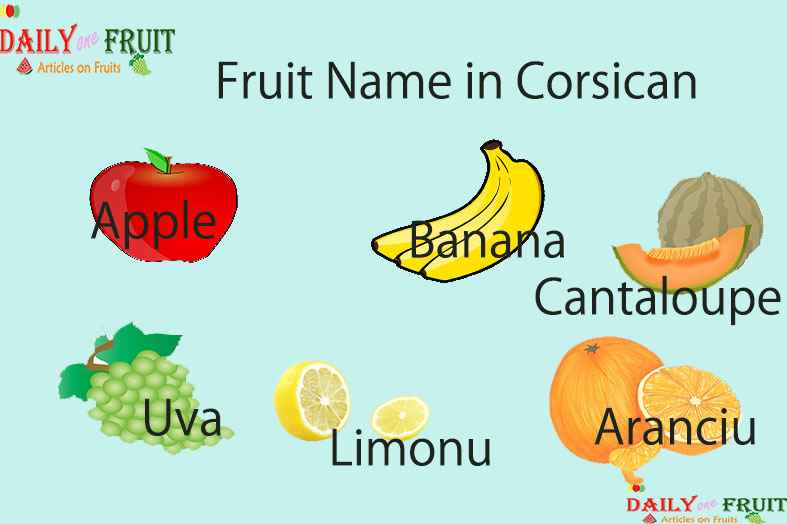
Fruit Name in Corsican

Fruit Name in Corsican

List of Fruit Name in Corsican Language

FruitsFruit Name in EnglishFruit Name in Corsican
Apricot

Apricot
Apple

Apple
Avocado (Butter fruit)

Avocatu
Banana

Banana
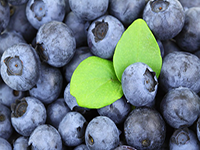
Blueberry

Blueberry
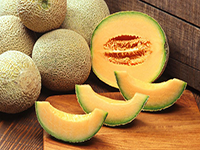
Cantaloupe

Cantaloupe
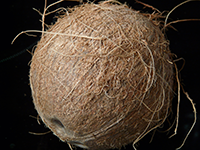
Coconut

Coconut
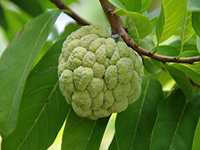
Custard Apple

Custard Apple
Cherry

Cirasa
Dates

Dates
Fig

Fig
Gooseberry

U groselle
Grapes

Uva
Guava

Guava
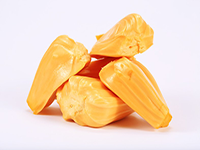
Jackfruit

Frutta di u ghjocu
Jambu fruit / bell fruit

Fruttu di Jambu
kiwi

kiwi
Lemon

Limonu
Lime

Calce
Mango

Mango
Mulberry

Mulberry
Musk Melon

Melone di Musk
Orange

Aranciu
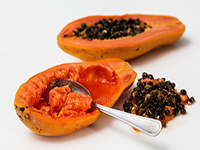
Papaya

Papaya
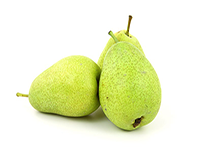
Pear

Pear
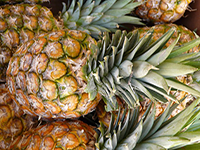
Pineapple

Pineapple
Pomegranate

Pomegranate
Sapota

Sapota
Plum

Plum
Sweetlime

Sweetlime
Watermelon

Sandia
Tomato

Tomate

List of Fruits Name in Corsican Language

The fruit Apricot is called as Apricot in Corsican .
The fruit Apple is called as Apple in Corsican .
The fruit Avocado (Butter fruit) is called as Avocatu in Corsican .
The fruit Banana is called as Banana in Corsican .
The fruit Blueberry is called as Blueberry in Corsican .
The fruit Cantaloupe is called as Cantaloupe in Corsican .
The fruit Coconut is called as Coconut in Corsican .
The fruit Custard Apple is called as Custard Apple in Corsican .
The fruit Cherry is called as Cirasa in Corsican .
The fruit Dates is called as Dates in Corsican .
The fruit Fig is called as Fig in Corsican .
The fruit Gooseberry is called as U groselle in Corsican .
The fruit Grapes is called as Uva in Corsican .
The fruit Guava is called as Guava in Corsican .
The fruit Jackfruit is called as Frutta di u ghjocu in Corsican .
The fruit Jambu fruit / bell fruit is called as Fruttu di Jambu in Corsican .
The fruit kiwi is called as kiwi in Corsican .
The fruit Lemon is called as Limonu in Corsican .
The fruit Lime is called as Calce in Corsican .
The fruit Mango is called as Mango in Corsican .
The fruit Mulberry is called as Mulberry in Corsican .
The fruit Musk Melon is called as Melone di Musk in Corsican .
The fruit Orange is called as Aranciu in Corsican .
The fruit Papaya is called as Papaya in Corsican .
The fruit Pear is called as Pear in Corsican .
The fruit Pineapple is called as Pineapple in Corsican .
The fruit Pomegranate is called as Pomegranate in Corsican .
The fruit Sapota is called as Sapota in Corsican .
The fruit Plum is called as Plum in Corsican .
The fruit Sweetlime is called as Sweetlime in Corsican .
The fruit Watermelon is called as Sandia in Corsican .
The fruit Tomato is called as Tomate in Corsican .

Fruit Names in Corsican

Advertisement

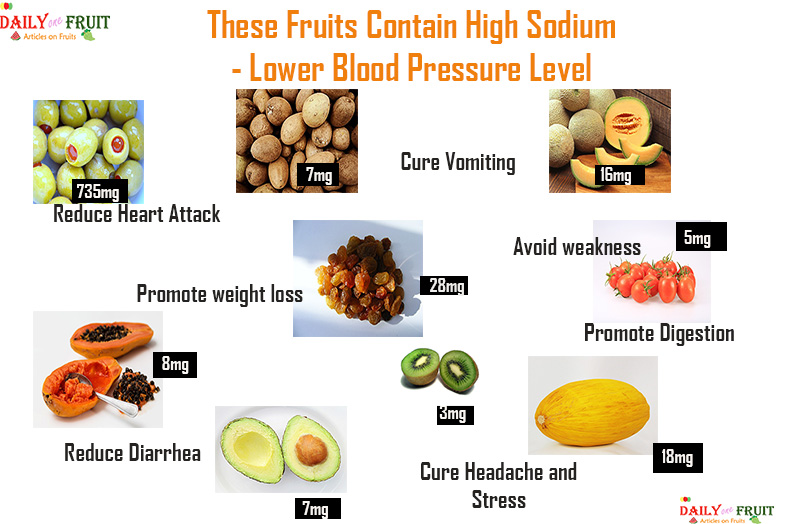
Top 10 Sodium Fruits to Lower Blood Pressure Level

Sodium is a vital nutrient in our food ,which help in complete metabolism activity of our body.Sodium need to taken in a correct proposition since over dosage leads to high blood pressure, stress, swelling of the neural tissues.

Top 10 Sodium Fruits to Lower Blood Pressure Level

Sodium deficiency result in

  • low blood pressure
  • Cure vomiting
  • Cure headache
  • Reduce Diarrhea
  • Avoid weakness
  • Promote weight loss.

Sodium deficiency person shall ,intake Certain fruits which contain high sodium Content in it.

Top 10 Sodium Fruits to Lower Blood Pressure Level

  • Olive 735mg
  • Raisin 28mg
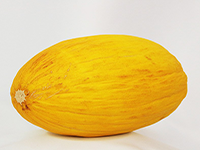
  • Honeydew Melon 18mg
  • Cantaloupe (wedge) 16mg
  • Papaya 8mg
  • Avocado 7mg
  • Sapote 7mg
  • Custard apple 5mg
  • Tomato 5mg
  • Kiwi 3mg
  • Pomegranate 3mg
  • Grape 2mg

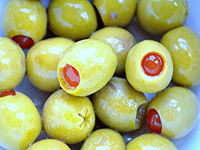
Olive
Olive Fruit comprise of very high amount of calcium, sodium, antioxidants and oleic acid content. Olive fruit has the capacity to resist the occurrence of breast, colon and stomach Cancers.735mg of Olive found in 100 gm of Olive fruit which is said to be the highest holder of sodium and calcium among other fruits.Olives also contain minerals like boron, sulphur, tin and lithium.

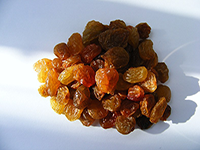
Raisin
Raisin also known as dried grapes protect against Cancer formation.Raisin hold a high amount of sodium for about 28mg in 100gm which cure heart related disease.Daily intake of Raisin shall also improve our RBC content level ,increase your antioxidant levels and also decrease cellular damage causing Cancer.

Honeydew Melon (wedge)
Honeydew Melon is a one type of fruit belong to melon family that holds about 18mg of sodium in a 100gm of its melon fruit.Honeydew Melon is a good source of potassium and sodium which help in maintaining a normal blood pressure, good immune system.

Cantaloupe (wedge)
Cantaloupe fruit posses high amount of sodium and potassium that help in reducing hypertension, high blood pressure,Cancer. 100gm of Cantaloupe hold about high sodium of about 16mg.

Papaya
100gm of Papaya fruit contain about 8mg of sodium.Papaya fruit is a good source of dietary fiber, potassium,sodium and vitamin.Papaya fruit is a best antioxidant that help in protecting against the heart disease,infections and inflammations.

Avocado
Avocados are also an excellent source of folate which reduce the homocysteine levels in the blood.Avocado fruit contain vitamins and minerals in a high level, which improve the absorption of calcium and vitamin A in our body. 100 gm of Avocado fruit hold a decent amount of sodium for about 7mg.

Sapote
Sapote and Avocado fruit hold a same amount of sodium for about 7mg.Sapote fruit have a high antioxidant nutrient,known to protect harmful disease like infections,benefits for heart health and lower the risk of diabetes.

Custard apple
Custard apples contain sodium of 5mg in 100gm of it, which keeps your skin and hair healthy. Custard apple fruit deliver a high vitamins that provide good eyesight, cures indigestion problems,cure constipation,diarrhea and dysentery.

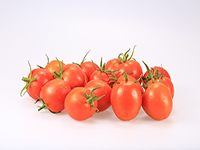
Tomato
Daily consumption of sufficient amount of tomatoes in our food increase the proportion of vitamin C in the blood, which reduce the stress hormones and boost the immune system.Tomato hold about 5mg of sodium in 100gm which is considered to maintain our weight from obesity.

Kiwi
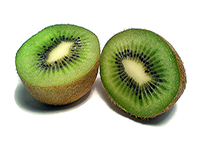
100gm of Kiwi fruit contain 3mg of sodium that help patients suffering from irritable bowel syndrome.Kiwi also contains antioxidant,vitamin c and enzyme known as actinidain, helps in the digestion of proteins in the body.

Pomegranate
In 100gm of Pomegranates fruit we can obtain for about 3mg of Sodium.Sodium present in Pomegranate help to reduce thickening, hardening of the arterial walls illnesses,resist atherosclerosis and osteoarthritis.

Grape
Grapes, guava, jackfruit, lime are a best source of micro-nutrients like copper, iron, and manganese which are important in strengthening of bones and muscles. These fruits hold about micro value of about 2mg of sodium in 100gm.Sodium present in Grapes pulp nourish your skin, protect from cancers like breast cancer and osteoporosis.

Guava
Guava has astringent properties and treat digestive disorders like diarrhea and dysentery.Guava fruit is a good antioxidant help in regulating blood pressure and heart disease and reduce the symptoms of serious constipation.

Jackfruit
Jackfruit has least sodium and potassium minerals like guava and Grapes that maintains electrolyte level in our body. Jackfruit also reduce high blood pressure, stroke and heart attack.Lime
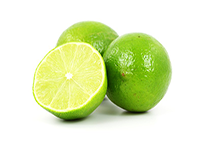
100 gm of Lime hold about decent content of 2mg of sodium.Lime also relieve from heartburn, maintain blood sugar levels,lower blood pressure and eliminate the LDL cholesterol.

Advertisement

Nutrition chart for Lemon

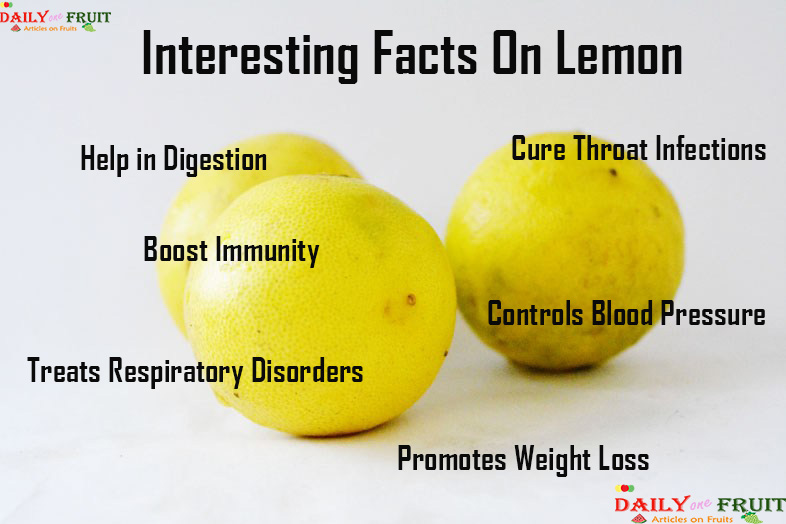
interesting facts on Lemon

Scientific Name Lemon fruit – Citrus limon
Lemon Fruit Family – Rutaceae
Lemon fruit Names in Indian Language – நார்த்தம்பழம்(Kolinchi pazham),ചെറുനാരങ്ങ Naranga,नींबू Galgal- Nimbu
Lemon fruit Origin –First grown in Assam (a region in northeast India), northern Burma or China

Lemon Fruit contain vitamin C, vitamin B6, vitamin A, vitamin E, folate, thiamin, riboflavin, copper, calcium, iron, magnesium, potassium, zinc, phosphorus, and protein.
Amazing Health Benefits Of Lemon Treats Indigestion,boost immunity,Promotes Weight Loss,Treats Respiratory Disorders,Treats Rheumatism,Controls Blood Pressure,cure Throat Infections

Nutrition chart for Lemon

Nutrition chart for Lemon – Article shows you the exact minerals, vitamins, cholesterol, carbohydrate, protein, fat compound present in the fruit based on the reference from Source: USDA Nutrient Database

NutrientUnit100g244g48g
Waterg92.31225.2444.31
Energykcal225411
Proteing0.350.850.17
Total lipid (fat)g0.240.590.12
Carbohydrate, by differenceg6.916.843.31
Fiber, total dietaryg0.30.70.1
Sugars, totalg2.526.151.21
Calcium, Camg6153
Iron, Femg0.080.20.04
Magnesium, Mgmg6153
Phosphorus, Pmg8204
Potassium, Kmg10325149
Sodium, Namg120
Zinc, Znmg0.050.120.02
Vitamin C, total ascorbic acidmg38.794.418.6
Thiaminmg0.0240.0590.012
Riboflavinmg0.0150.0370.007
Niacinmg0.0910.2220.044
Vitamin B-6mg0.0460.1120.022
Folate, DFEµg204910
Vitamin B-12µg000
Vitamin A, RAEµg000
Vitamin A, IUIU6153
Vitamin E (alpha-tocopherol)mg0.150.370.07
Vitamin D (D2 + D3)µg000
Vitamin DIU000
Vitamin K (phylloquinone)µg000
Fatty acids, total saturatedg0.040.0980.019
Fatty acids, total monounsaturatedg0.0060.0150.003
Fatty acids, total polyunsaturatedg0.0210.0510.01
Fatty acids, total transg000
Cholesterolmg000

WATER
Water is an essential compound needed in the diet to promote good digestion,blood circulation and to flush out the waste toxin – chemical compound from our body .
100g of Lemon contains 92.31 g of water .
244g of Lemon contains 225.24 g of water .
48g of Lemon contains 44.31 g of water .

PROTEINS
Proteins are essential nutrients for our body. Proteins are one of the building blocks of body tissue, and can also serve as a fuel source throughout the day.
100g of Lemon contains 0.35 g of PROTEINS .
244g of Lemon contains 0.85 g of PROTEINS .
48g of Lemon contains 0.17 g of PROTEINS .

FAT (lipid)
Cholestrol is a fatty substance known as a lipid and is vital for the normal functioning of the body. Too much fat in your blood, it can increase your risk of heart disease.
100g of Lemon contains 0.24 g of Cholesterol .
244g of Lemon contains 0.59 g of Cholesterol .
48g of Lemon contains 0.12 g of Cholesterol .

IRON
Iron is a mineral that is required for our bodies to function properly. Most of the iron in our body is found in the blood as hemoglobin, which is a protein used to carry oxygen to the body’s tissues.
100g of Lemon contains 0.08 mg of IRON .
244g of Lemon contains 0.2 mg of IRON .
48g of Lemon contains 0.04 mg of IRON .

CALCIUM
Calcium is the most plentiful mineral found in the human body. The teeth and bones contain the most calcium.
100g of Lemon contains 6 mg of CALCIUM .
244g of Lemon contains 15 mg of CALCIUM .
48g of Lemon contains 3 mg of CALCIUM .

CARBOHYDRATE
Carbohydrates are energy-providing nutrients.
100g of Lemon contains 6.9 g of CARBOHYDRATE .
244g of Lemon contains 16.84 g of CARBOHYDRATE .
48g of Lemon contains 3.31 g of CARBOHYDRATE .

POTASSIUM
Potassium is a mineral that help muscles contract, regulate fluids and mineral in and out of body cells, and helps maintain normal blood pressure by blunting the effect of sodium.
100g of Lemon contains 103 mg of POTASSIUM .
244g of Lemon contains 251 mg of POTASSIUM .
48g of Lemon contains 49 mg of POTASSIUM .

VITAMIN C
Vitamin C is also called ascorbic acid, which is the form of vitamin C found in most foods.Vitamin C is needed for proper growth, development, and to heal wounds.
100g of Lemon contains 38.7 mg of VITAMIN C .
244g of Lemon contains 94.4 mg of VITAMIN C .
48g of Lemon contains 18.6 mg of VITAMIN C .

VITAMIN B12
100g of Lemon contains 0 g of VITAMIN B12 .
244g of Lemon contains 0 g of VITAMIN B12 .
48g of Lemon contains 0 g of VITAMIN B12 .

SODIUM
Sodium in the diet (called dietary sodium) is measured in milligrams (mg).
100g of Lemon contains 1 mg of SODIUM .
244g of Lemon contains 2 mg of SODIUM .
48g of Lemon contains 0 mg of SODIUM .

DIETARY FIBER
Fiber promotes the movement of material through your digestive system and increases stool bulk, so it can be of benefit to those who struggle with constipation or irregular stools.
100g of Lemon contains 0.3 g of DIETARY FIBER .
244g of Lemon contains 0.7 g of DIETARY FIBER .
48g of Lemon contains 0.1 g of DIETARY FIBER .
Advertisement

Facts On Fruits

Fruit Recipe

Skin Care From Fruits