
Lakshmi

596 POSTS 12 COMMENTS
Most Of my friends who are visiting this blog calls me and ask me – where do you get these fruits ? Are You a Fruitarian ? I really Appreciate those friends taking interest in eating healthy diet and my answer to their question is –Some Fruit are not available in india , Mainly it is found outside Asia ,And of course , I am not a Fruitarian ,I suggest instead of taking a multivitamin tablet, it is better to eat fruits daily, Your comments are always welcome in my inbox dailyonefruit@gmail.com. Have a happy life – make your life happy… Cheers

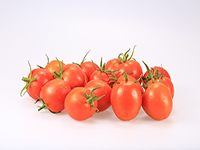
Interesting Facts On Tomato

Interesting facts on Tomato

Scientific Name Tomato fruit – Solanum lycopersicum
Tomato Fruit Family – Nightshade
Tomato fruit Origin -The Tomato is native from America

Tomato contain high amount of vitamin A, vitamin C, vitamin K,vitamin B6, folate,thiamine,potassium, manganese, magnesium, phosphorous, and copper.
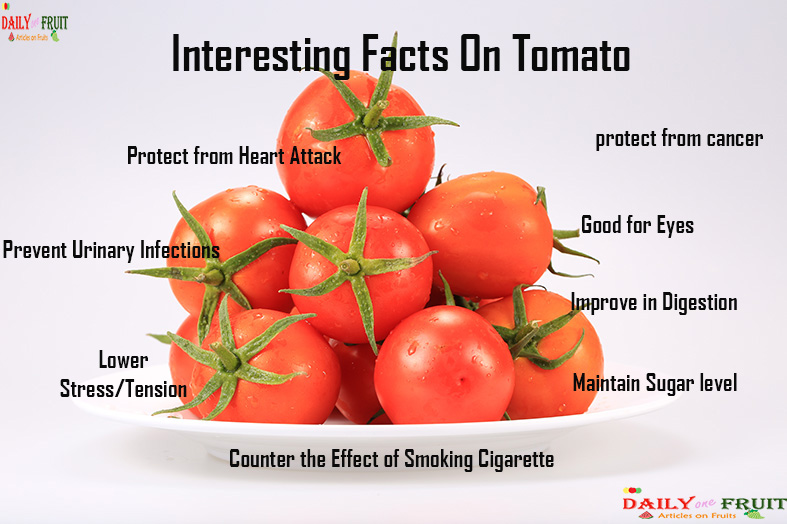
Amazing Health Benefits Of Tomato such as – Protect the Heart,Counter the Effect of Smoking Cigarette,Improve Vision,Aid in Digestion,,Lower HypertensionManage Diabetes,Prevent Urinary Tract Infections,protect from prostate cancer.

Interesting Facts On Tomato

Interesting Facts On Tomato – Article shows you the exact minerals, vitamins, cholesterol, carbohydrate, protein, fat compound present in the Tomato fruit based on the reference from Source: USDA Nutrient Database

NutrientUnit100g148g180g
Waterg94.52139.89170.14
Energykcal182732
Proteing0.881.31.58
Total lipid (fat)g0.20.30.36
Carbohydrate, by differenceg3.895.767
Fiber, total dietaryg1.21.82.2
Sugars, totalg2.633.894.73
Calcium, Camg101518
Iron, Femg0.270.40.49
Magnesium, Mgmg111620
Phosphorus, Pmg243643
Potassium, Kmg237351427
Sodium, Namg579
Zinc, Znmg0.170.250.31
Vitamin C, total ascorbic acidmg13.720.324.7
Thiaminmg0.0370.0550.067
Riboflavinmg0.0190.0280.034
Niacinmg0.5940.8791.069
Vitamin B-6mg0.080.1180.144
Folate, DFEµg152227
Vitamin B-12µg000
Vitamin A, RAEµg426276
Vitamin A, IUIU83312331499
Vitamin E (alpha-tocopherol)mg0.540.80.97
Vitamin D (D2 + D3)µg000
Vitamin DIU000
Vitamin K (phylloquinone)µg7.911.714.2
Fatty acids, total saturatedg0.0280.0410.05
Fatty acids, total monounsaturatedg0.0310.0460.056
Fatty acids, total polyunsaturatedg0.0830.1230.149
Fatty acids, total transg000
Cholesterolmg00

WATER
Water is an essential compound needed in the diet to promote good digestion,blood circulation and to flush out the waste toxin – chemical compound from our body .
100g of Raisin contains 94.52 g of water .
148g of Raisin contains 139.89 g of water .
180g of Raisin contains 170.14 g of water .

PROTEINS
Proteins are essential nutrients for our body. Proteins are one of the building blocks of body tissue, and can also serve as a fuel source throughout the day.
100g of Raisin contains 0.88 g of PROTEINS .
148g of Raisin contains 1.3 g of PROTEINS .
180g of Raisin contains 1.58 g of PROTEINS .

FAT (lipid)
Cholesterol is a fatty substance known as a lipid and is vital for the normal functioning of the body. Too much fat in your blood, it can increase your risk of heart disease.
100g of Raisin contains 0.2 g of Cholesterol .
148g of Raisin contains 0.3 g of Cholesterol .
180g of Raisin contains 0.36 g of Cholesterol .

IRON
Iron is a mineral that is required for our bodies to function properly. Most of the iron in our body is found in the blood as hemoglobin, which is a protein used to carry oxygen to the body’s tissues.
100g of Raisin contains 0.27 mg of IRON .
148g of Raisin contains 0.4 mg of IRON .
180g of Raisin contains 0.49 mg of IRON .

CALCIUM
Calcium is the most plentiful mineral found in the human body. The teeth and bones contain the most calcium.
100g of Raisin contains 10 mg of CALCIUM .
148g of Raisin contains 15 mg of CALCIUM .
180g of Raisin contains 18 mg of CALCIUM .

CARBOHYDRATE
Carbohydrates are energy-providing nutrients.
100g of Raisin contains 3.89 g of CARBOHYDRATE .
148g of Raisin contains 5.76 g of CARBOHYDRATE .
180g of Raisin contains 7 g of CARBOHYDRATE .

POTASSIUM
Potassium is a mineral that help muscles contract, regulate fluids and mineral in and out of body cells, and helps maintain normal blood pressure by blunting the effect of sodium.
100g of Raisin contains 237 mg of POTASSIUM .
148g of Raisin contains 351 mg of POTASSIUM .
180g of Raisin contains 427 mg of POTASSIUM .

VITAMIN C
Vitamin C is also called ascorbic acid, which is the form of vitamin C found in most foods.Vitamin C is needed for proper growth, development, and to heal wounds.
100g of Raisin contains 13.7 mg of VITAMIN C .
148g of Raisin contains 20.3 mg of VITAMIN C .
180g of Raisin contains 24.7 mg of VITAMIN C .

VITAMIN B12
100g of Raisin contains 0 g of VITAMIN B12 .
148g of Raisin contains 0 g of VITAMIN B12 .
180g of Raisin contains 0 g of VITAMIN B12 .

SODIUM
Sodium in the diet (called dietary sodium) is measured in milligrams (mg).
100g of Raisin contains 5 mg of SODIUM .
148g of Raisin contains 7 mg of SODIUM .
180g of Raisin contains 9 mg of SODIUM .

DIETARY FIBER
Fiber promotes the movement of material through your digestive system and increases stool bulk, so it can be of benefit to those who struggle with constipation or irregular stools.
100g of Raisin contains 1.2 g of DIETARY FIBER .
148g of Raisin contains 1.8 g of DIETARY FIBER .
180g of Raisin contains 2.2 g of DIETARY FIBER .
Advertisement

Interesting Facts on Peach

Interesting Facts on Peach

Scientific Name Peach fruit – Prunus persica .
Peach Fruit Family – Rosaceae .
Peach fruit Origin -The peach is native to the region of Northwest China between the Tarim Basin and the north slopes of the Kunlun Shan mountains

Peach Fruit contain potassium, vitamin C, vitamin K, phenolic compounds, folate, dietary fiber, copper, manganese, magnesium, B-complex.
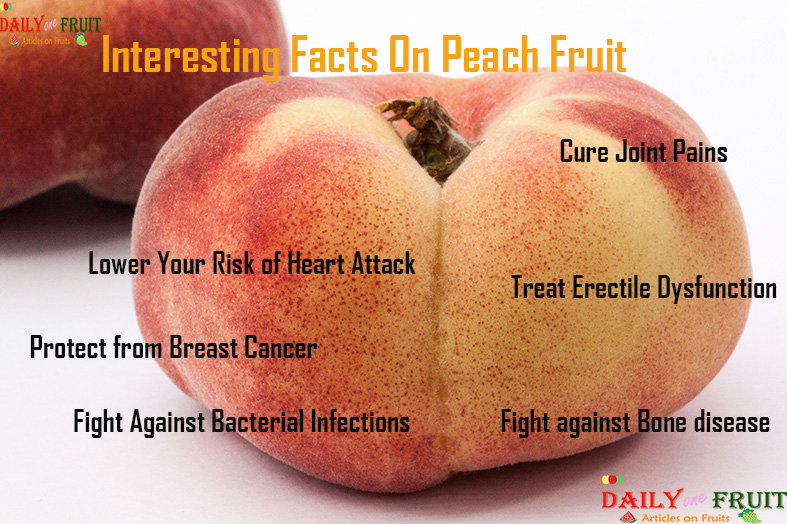
Amazing Health Benefits Of Peach fruit protect against Breast Cancer,Fight Arthritis and Joint Pain,Lower Your Risk of Heart Disease,Treat Erectile Dysfunction,Fight Bacterial and Fungal Infections.

Interesting Facts on Peach

Article shows you the exact minerals, vitamins, cholesterol, carbohydrate, protein, fat compound present in the fruit based on the reference from Source: USDA Nutrient Database

NutrientUnit100g175g224g
Waterg88.87155.52199.07
Energykcal396887
Proteing0.911.592.04
Total lipid (fat)g0.250.440.56
Carbohydrate, by differenceg9.5416.6921.37
Fiber, total dietaryg1.52.63.4
Sugars, totalg8.3914.6818.79
Calcium, Camg61013
Iron, Femg0.250.440.56
Magnesium, Mgmg91620
Phosphorus, Pmg203545
Potassium, Kmg190332426
Sodium, Namg000
Zinc, Znmg0.170.30.38
Vitamin C, total ascorbic acidmg6.611.614.8
Thiaminmg0.0240.0420.054
Riboflavinmg0.0310.0540.069
Niacinmg0.8061.4111.805
Vitamin B-6mg0.0250.0440.056
Folate, DFEµg479
Vitamin B-12µg000
Vitamin A, RAEµg162836
Vitamin A, IUIU326570730
Vitamin E (alpha-tocopherol)mg0.731.281.64
Vitamin D (D2 + D3)µg000
Vitamin DIU000
Vitamin K (phylloquinone)µg2.64.55.8
Fatty acids, total saturatedg0.0190.0330.043
Fatty acids, total monounsaturatedg0.0670.1170.15
Fatty acids, total polyunsaturatedg0.0860.150.193
Fatty acids, total transg000
Cholesterolmg000

WATER
Water is an essential compound needed in the diet to promote good digestion,blood circulation and to flush out the waste toxin – chemical compound from our body .
100g of Peach contains 88.87 g of water .
175g of Peach contains 155.52 g of water .
224g of Peach contains 199.07 g of water .

PROTEINS
Proteins are essential nutrients for our body. Proteins are one of the building blocks of body tissue, and can also serve as a fuel source throughout the day.
100g of Peach contains 0.91 g of PROTEINS .
175g of Peach contains 1.59 g of PROTEINS .
224g of Peach contains 2.04 g of PROTEINS .

FAT (lipid)
Cholesterol is a fatty substance known as a lipid and is vital for the normal functioning of the body. Too much fat in your blood, it can increase your risk of heart disease.
100g of Peach contains 0.25 g of Cholesterol .
175g of Peach contains 0.44 g of Cholesterol .
224g of Peach contains 0.56 g of Cholesterol .

IRON
Iron is a mineral that is required for our bodies to function properly. Most of the iron in our body is found in the blood as hemoglobin, which is a protein used to carry oxygen to the body’s tissues.
100g of Peach contains 0.25 mg of IRON .
175g of Peach contains 0.44 mg of IRON .
224g of Peach contains 0.56 mg of IRON .

CALCIUM
Calcium is the most plentiful mineral found in the human body. The teeth and bones contain the most calcium.
100g of Peach contains 6 mg of CALCIUM .
175g of Peach contains 10 mg of CALCIUM .
224g of Peach contains 13 mg of CALCIUM .

CARBOHYDRATE
Carbohydrates are energy-providing nutrients.
100g of Peach contains 9.54 g of CARBOHYDRATE .
175g of Peach contains 16.69 g of CARBOHYDRATE .
224g of Peach contains 21.37 g of CARBOHYDRATE .

POTASSIUM
Potassium is a mineral that help muscles contract, regulate fluids and mineral in and out of body cells, and helps maintain normal blood pressure by blunting the effect of sodium.
100g of Peach contains 190 mg of POTASSIUM .
175g of Peach contains 332 mg of POTASSIUM .
224g of Peach contains 426 mg of POTASSIUM .

VITAMIN C
Vitamin C is also called ascorbic acid, which is the form of vitamin C found in most foods.Vitamin C is needed for proper growth, development, and to heal wounds.
100g of Peach contains 6.6 mg of VITAMIN C .
175g of Peach contains 11.6 mg of VITAMIN C .
224g of Peach contains 14.8 mg of VITAMIN C .

VITAMIN B12
100g of Peach contains 0 g of VITAMIN B12 .
175g of Peach contains 0 g of VITAMIN B12 .
224g of Peach contains 0 g of VITAMIN B12 .

SODIUM
Sodium in the diet (called dietary sodium) is measured in milligrams (mg).
100g of Peach contains 0 mg of SODIUM .
175g of Peach contains 0 mg of SODIUM .
224g of Peach contains 0 mg of SODIUM .

DIETARY FIBER
Fiber promotes the movement of material through your digestive system and increases stool bulk, so it can be of benefit to those who struggle with constipation or irregular stools.
100g of Peach contains 1.5 g of DIETARY FIBER .
175g of Peach contains 2.6 g of DIETARY FIBER .
224g of Peach contains 3.4 g of DIETARY FIBER .
Advertisement

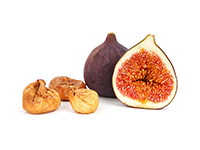
Nutrition chart for Fig

Benefits of Fig
Benefits of Fig

Scientific Name Fig fruit – Ficus carica
Fig Fruit Family – Punicaceae
அத்திப்பழம் (Atti Pazham), അത്തിപ്പഴം Athi pazham, अंजीर Anjeer
Fig fruit Origin -The fig, originated in northern Asia Minor and spread with the Greeks and the Romans throughout the Mediterranean region.

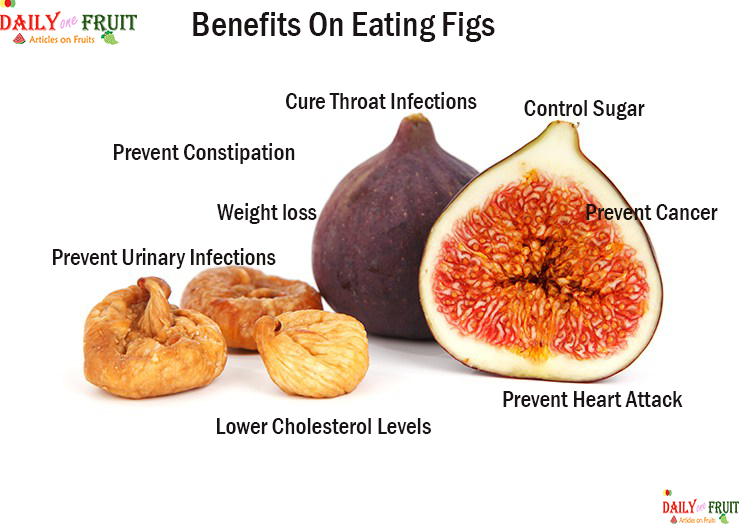
Figs including high amount of vitamin A, vitamin B1, vitamin B2, calcium, iron, phosphorus, manganese, sodium, potassium, and chlorine.Health Benefits Of Fig fruit Prevent Constipation,Weight loss,Lower Cholesterol Levels, Prevent Heart Diseases, Control Diabetes, Prevent Cancer, Prevent Urinary Calcium Loss, Relieve Throat Pain.

Nutrition chart for Fig

This Article shows you the exact minerals, vitamins, cholesterol, carbohydrate, protein, fat compound present in the fruit based on the reference from Source: USDA Nutrient Database

NutrientUnit100g64g50g
Waterg79.1150.6339.55
Energykcal744737
Proteing0.750.480.38
Total lipid (fat)g0.30.190.15
Carbohydrate, by differenceg19.1812.289.59
Fiber, total dietaryg2.91.91.4
Sugars, totalg16.2610.418.13
Calcium, Camg352218
Iron, Femg0.370.240.18
Magnesium, Mgmg17118
Phosphorus, Pmg1497
Potassium, Kmg232148116
Sodium, Namg110
Zinc, Znmg0.150.10.07
Vitamin C, total ascorbic acidmg21.31
Thiaminmg0.060.0380.03
Riboflavinmg0.050.0320.025
Niacinmg0.40.2560.2
Vitamin B-6mg0.1130.0720.057
Folate, DFEµg643
Vitamin B-12µg000
Vitamin A, RAEµg744
Vitamin A, IUIU1429171
Vitamin E (alpha-tocopherol)mg0.110.070.06
Vitamin D (D2 + D3)µg000
Vitamin DIU000
Vitamin K (phylloquinone)µg4.732.4
Fatty acids, total saturatedg0.060.0380.03
Fatty acids, total monounsaturatedg0.0660.0420.033
Fatty acids, total polyunsaturatedg0.1440.0920.072
Fatty acids, total transg000

Nutrition chart for Fig
WATER
Water is an essential compound needed in the diet to promote good digestion,blood circulation and to flush out the waste toxin – chemical compound from our body .
100g of Fig contains 79.11 g of water .
64g of Fig contains 50.63 g of water .
50g of Fig contains 39.55 g of water .

PROTEINS
Proteins are essential nutrients for our body. Proteins are one of the building blocks of body tissue, and can also serve as a fuel source throughout the day.
100g of Fig contains 0.75 g of PROTEINS .
64g of Fig contains 0.48 g of PROTEINS .
50g of Fig contains 0.38 g of PROTEINS .

FAT (lipid)
Cholestrol is a fatty substance known as a lipid and is vital for the normal functioning of the body. Too much fat in your blood, it can increase your risk of heart disease.
100g of Fig contains 0.3 g of Cholesterol .
64g of Fig contains 0.19 g of Cholesterol .
50g of Fig contains 0.15 g of Cholesterol .

IRON
Iron is a mineral that is required for our bodies to function properly. Most of the iron in our body is found in the blood as hemoglobin, which is a protein used to carry oxygen to the body’s tissues.
100g of Fig contains 0.37 mg of IRON .
64g of Fig contains 0.24 mg of IRON .
50g of Fig contains 0.18 mg of IRON .

CALCIUM
Calcium is the most plentiful mineral found in the human body. The teeth and bones contain the most calcium.
100g of Fig contains 35 mg of CALCIUM .
64g of Fig contains 22 mg of CALCIUM .
50g of Fig contains 18 mg of CALCIUM .

CARBOHYDRATE
Carbohydrates are energy-providing nutrients.
100g of Fig contains 19.18 g of CARBOHYDRATE .
64g of Fig contains 12.28 g of CARBOHYDRATE .
50g of Fig contains 9.59 g of CARBOHYDRATE .

POTASSIUM
Potassium is a mineral that help muscles contract, regulate fluids and mineral in and out of body cells, and helps maintain normal blood pressure by blunting the effect of sodium.
100g of Fig contains 232 mg of POTASSIUM .
64g of Fig contains 148 mg of POTASSIUM .
50g of Fig contains 116 mg of POTASSIUM .

VITAMIN C
Vitamin C is also called ascorbic acid, which is the form of vitamin C found in most foods.Vitamin C is needed for proper growth, development, and to heal wounds.
100g of Fig contains 2 mg of VITAMIN C .
64g of Fig contains 1.3 mg of VITAMIN C .
50g of Fig contains 1 mg of VITAMIN C .

VITAMIN B12
100g of Fig contains 0 g of VITAMIN B12 .
64g of Fig contains 0 g of VITAMIN B12 .
50g of Fig contains 0 g of VITAMIN B12 .

SODIUM
Sodium in the diet (called dietary sodium) is measured in milligrams (mg).
100g of Fig contains 1 mg of SODIUM .
64g of Fig contains 1 mg of SODIUM .
50g of Fig contains 0 mg of SODIUM .

DIETARY FIBER
Fiber promotes the movement of material through your digestive system and increases stool bulk, so it can be of benefit to those who struggle with constipation or irregular stools.
100g of Fig contains 2.9 g of DIETARY FIBER .
64g of Fig contains 1.9 g of DIETARY FIBER .
50g of Fig contains 1.4 g of DIETARY FIBER .
Advertisement

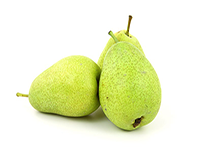
Nutrition chart for Pear

pear nutrition chart

Scientific Name Pear fruit – Pyrus communis .
Pear Fruit Family – Rosaceae .
Pear fruit Names in Indian Language – பேரிக்காய்(Berikkai), പിയർ Sabarjil, नाशपाती nasapati .
Pear fruit Origin – The Pear origin at two different points, China and Asia .

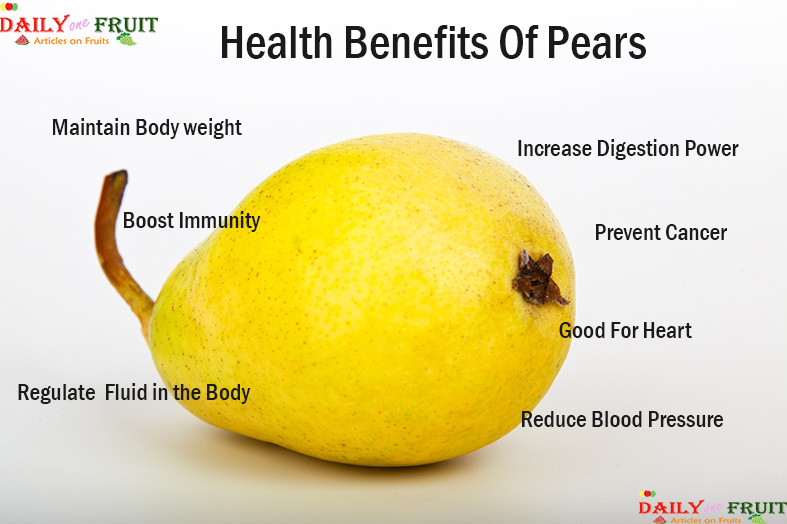
Pears contain high amount of potassium, vitamin C, vitamin K, phenolic compounds, folate, dietary fiber, copper, manganese, magnesium, B-complex.Amazing Health Benefits Of Pear fruit help in weight loss, improve digestion, keep heart healthy, regulate the body fluid, reduce blood pressure, prevent cancer, promote wound repair, boost the immune system.

Nutrition chart for Pear

This Article shows you the exact minerals, vitamins, cholesterol, carbohydrate, protein, fat compound present in the fruit based on the reference from Source: USDA Nutrient Database

NutrientUnit100g161g230g
Waterg83.96135.18193.11
Energykcal5792131
Proteing0.360.580.83
Total lipid (fat)g0.140.230.32
Carbohydrate, by differenceg15.2324.5235.03
Fiber, total dietaryg3.157.1
Sugars, totalg9.7515.722.43
Calcium, Camg91421
Iron, Femg0.180.290.41
Magnesium, Mgmg71116
Phosphorus, Pmg121928
Potassium, Kmg116187267
Sodium, Namg122
Zinc, Znmg0.10.160.23
Vitamin C, total ascorbic acidmg4.36.99.9
Thiaminmg0.0120.0190.028
Riboflavinmg0.0260.0420.06
Niacinmg0.1610.2590.37
Vitamin B-6mg0.0290.0470.067
Folate, DFEµg71116
Vitamin B-12µg000
Vitamin A, RAEµg122
Vitamin A, IUIU254058
Vitamin E (alpha-tocopherol)mg0.120.190.28
Vitamin D (D2 + D3)µg000
Vitamin DIU000
Vitamin K (phylloquinone)µg4.47.110.1
Fatty acids, total saturatedg0.0220.0350.051
Fatty acids, total monounsaturatedg0.0840.1350.193
Fatty acids, total polyunsaturatedg0.0940.1510.216
Fatty acids, total transg000
Cholesterolmg000

Nutrition chart for Pear
WATER

Water is an essential compound needed in the diet to promote good digestion,blood circulation and to flush out the waste toxin – chemical compound from our body .
100g of Pear contains 83.96 g of water .
161g of Pear contains 135.18 g of water .
230g of Pear contains 193.11 g of water .

PROTEINS
Proteins are essential nutrients for our body. Proteins are one of the building blocks of body tissue, and can also serve as a fuel source throughout the day.
100g of Pear contains 0.36 g of PROTEINS .
161g of Pear contains 0.58 g of PROTEINS .
230g of Pear contains 0.83 g of PROTEINS .

FAT (lipid)
Cholesterol is a fatty substance known as a lipid and is vital for the normal functioning of the body. Too much fat in your blood, it can increase your risk of heart disease.
100g of Pear contains 0.14 g of Cholesterol .
161g of Pear contains 0.23 g of Cholesterol .
230g of Pear contains 0.32 g of Cholesterol .

IRON
Iron is a mineral that is required for our bodies to function properly. Most of the iron in our body is found in the blood as hemoglobin, which is a protein used to carry oxygen to the body’s tissues.
100g of Pear contains 0.18 mg of IRON .
161g of Pear contains 0.29 mg of IRON .
230g of Pear contains 0.41 mg of IRON .

CALCIUM
Calcium is the most plentiful mineral found in the human body. The teeth and bones contain the most calcium.
100g of Pear contains 9 mg of CALCIUM .
161g of Pear contains 14 mg of CALCIUM .
230g of Pear contains 21 mg of CALCIUM .

CARBOHYDRATE
Carbohydrates are energy-providing nutrients.
100g of Pear contains 15.23 g of CARBOHYDRATE .
161g of Pear contains 24.52 g of CARBOHYDRATE .
230g of Pear contains 35.03 g of CARBOHYDRATE .

POTASSIUM
Potassium is a mineral that help muscles contract, regulate fluids and mineral in and out of body cells, and helps maintain normal blood pressure by blunting the effect of sodium.
100g of Pear contains 116 mg of POTASSIUM .
161g of Pear contains 187 mg of POTASSIUM .
230g of Pear contains 267 mg of POTASSIUM .

VITAMIN C
Vitamin C is also called ascorbic acid, which is the form of vitamin C found in most foods.Vitamin C is needed for proper growth, development, and to heal wounds.
100g of Pear contains 4.3 mg of VITAMIN C .
161g of Pear contains 6.9 mg of VITAMIN C .
230g of Pear contains 9.9 mg of VITAMIN C .

VITAMIN B12
100g of Pear contains 0 g of VITAMIN B12 .
161g of Pear contains 0 g of VITAMIN B12 .
230g of Pear contains 0 g of VITAMIN B12 .

SODIUM
Sodium in the diet (called dietary sodium) is measured in milligrams (mg).
100g of Pear contains 1 mg of SODIUM .
161g of Pear contains 2 mg of SODIUM .
230g of Pear contains 2 mg of SODIUM .

DIETARY FIBER
Fiber promotes the movement of material through your digestive system and increases stool bulk, so it can be of benefit to those who struggle with constipation or irregular stools.
100g of Pear contains 3.1 g of DIETARY FIBER .
161g of Pear contains 5 g of DIETARY FIBER .
230g of Pear contains 7.1 g of DIETARY FIBER .
Advertisement

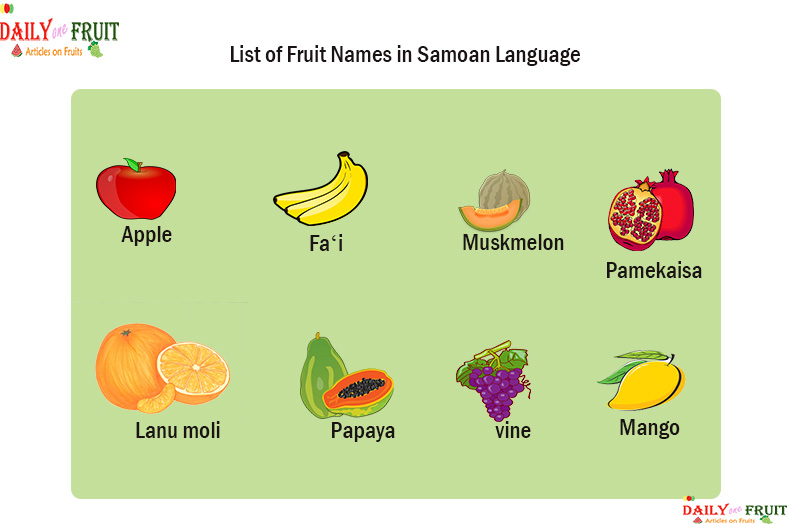
List of Fruit Names in Samoan Language

Fruit Names in Samoan Language

List of Fruit Names in Samoan Language

FruitFruit Name in EnglishFruit Name in Samoan
Apricot

Apricot
Apple

Apple
Avocado (Butter fruit)

Avaka
Banana

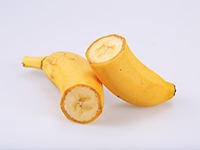
Faʻi
Blueberry

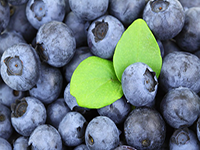
Blueberry
Cantaloupe

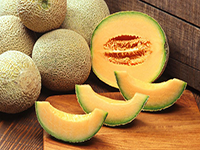
Talosaga
Coconut

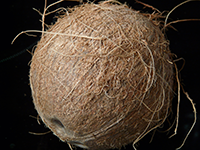
Popo
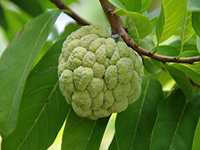
Custard Apple

siaki
Cherry

Cherry
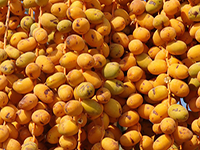
Dates

Aso
Fig

mati
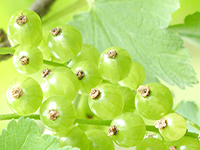
Gooseberry

Gooseberry
Grapes

vine
Guava

Guava
Jackfruit

Jackfruit
Jambu fruit / bell fruit

Guava fua
kiwi

Kiwi
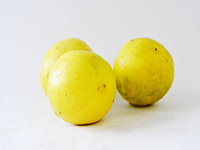
Lemon

Lemon
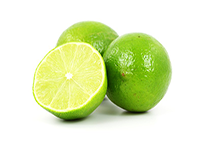
Lime

Lime
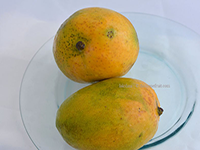
Mango

Mango
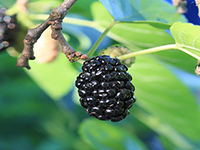
Mulberry

Muliki
Musk Melon

Muskmelon
Orange

Lanu moli
Papaya

Papaya
Pear

Pear
Pineapple

Pineapa
Pomegranate

Pamekaisa
Sapota

Sapota
Plum

Plum
Sweetlime

suamalie suamalie
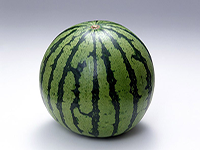
Watermelon

Paloni
Tomato

Tomato

List of Fruit Names in Samoan Language

The Fruit  Apricot is Called as Apricot in Samoan Language .
The Fruit Apple is Called as Apple in Samoan Language .
The Fruit Avocado (Butter fruit) is Called as Avaka in Samoan Language .
The Fruit Banana is Called as Faʻi in Samoan Language .
The Fruit Blueberry is Called as Blueberry in Samoan Language .
The Fruit Cantaloupe is Called as Talosaga in Samoan Language .
The Fruit Coconut is Called as Popo in Samoan Language .
The Fruit Custard Apple is Called as siaki in Samoan Language .
The Fruit Cherry is Called as Cherry in Samoan Language .
The Fruit Dates is Called as Aso in Samoan Language .
The Fruit Fig is Called as mati in Samoan Language .
The Fruit Gooseberry is Called as Gooseberry in Samoan Language .
The Fruit Grapes is Called as vine in Samoan Language .
The Fruit Guava is Called as Guava in Samoan Language .
The Fruit Jackfruit is Called as Jackfruit in Samoan Language .
The Fruit Jambu fruit / bell fruit is Called as Guava fua in Samoan Language .
The Fruit kiwi is Called as Kiwi in Samoan Language .
The Fruit Lemon is Called as Lemon in Samoan Language .
The Fruit Lime is Called as Lime in Samoan Language .
The Fruit Mango is Called as Mango in Samoan Language .
The Fruit Mulberry is Called as Muliki in Samoan Language .
The Fruit Musk Melon is Called as Muskmelon in Samoan Language .
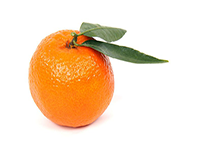
The Fruit Orange is Called as Lanu moli in Samoan Language .
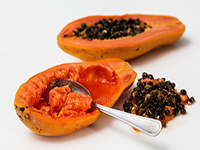
The Fruit Papaya is Called as Papaya in Samoan Language .
The Fruit Pear is Called as Pear in Samoan Language .
The Fruit Pineapple is Called as Pineapa in Samoan Language .
The Fruit Pomegranate is Called as Pamekaisa in Samoan Language .
The Fruit Sapota is Called as Sapota in Samoan Language .
The Fruit Plum is Called as Plum in Samoan Language .
The Fruit Sweetlime is Called as suamalie suamalie in Samoan Language .
The Fruit Watermelon is Called as Paloni in Samoan Language .
The Fruit Tomato is Called as Tomato in Samoan Language .

Fruits Name in Samoan

Advertisement

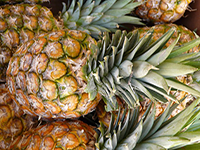
Nutrition chart for Pineapple


Nutrition chart for Pineapple

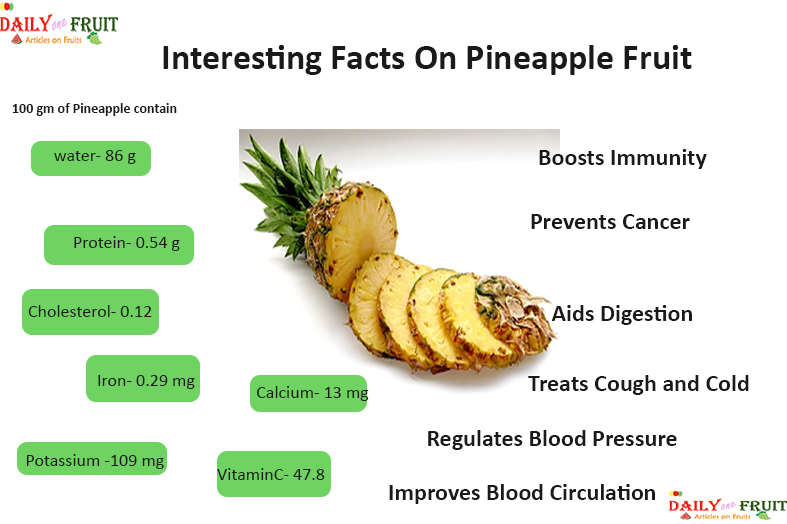
Scientific Name Pineapple fruit – Acca sellowiana
Pineapple Fruit Family – Bromeliads
Pineapple fruit Names in Indian Language – அன்னாசிப் பழம்(Annasi),പൈനാപ്പിൾ kaithachakka,अनानास Ananas
Pineapple fruit Origin -pineapple is native to southern Brazil and Paraguay

Pineapple contain high amount of dietary fiber,vitamin C, potassium, copper, manganese, calcium, magnesium, vitamin C, beta-carotene, vitamin B6, folate, thiamin, bromelain.Amazing Health Benefits Of Pineapple fruit are Treats Arthritis,Boosts Immunity,Prevents Cancer,Aids Digestion,Treats Cough and Cold,Regulates Blood Pressure,Improves Bone Health,Improves Blood Circulation.

Nutrition chart for Pineapple

Nutrition chart for Pineapple – Article shows you the exact minerals, vitamins, cholesterol, carbohydrate, protein, fat compound present in the fruit based on the reference from Source: USDA Nutrient Database

NutrientUnit100g165g905 g
Waterg86141.9778.3
Energykcal5082452
Proteing0.540.894.89
Total lipid (fat)g0.120.21.09
Carbohydrate, by differenceg13.1221.65118.74
Fiber, total dietaryg1.42.312.7
Sugars, totalg9.8516.2589.14
Calcium, Camg1321118
Iron, Femg0.290.482.62
Magnesium, Mgmg1220109
Phosphorus, Pmg81372
Potassium, Kmg109180986
Sodium, Namg129
Zinc, Znmg0.120.21.09
Vitamin C, total ascorbic acidmg47.878.9432.6
Thiaminmg0.0790.130.715
Riboflavinmg0.0320.0530.29
Niacinmg0.50.8254.525
Vitamin B-6mg0.1120.1851.014
Folate, DFEµg1830163
Vitamin B-12µg000
Vitamin A, RAEµg3527
Vitamin A, IUIU5896525
Vitamin E (alpha-tocopherol)mg0.020.030.18
Vitamin D (D2 + D3)µg000
Vitamin DIU000
Vitamin K (phylloquinone)µg0.71.26.3
Fatty acids, total saturatedg0.0090.0150.081
Fatty acids, total monounsaturatedg0.0130.0210.118
Fatty acids, total polyunsaturatedg0.040.0660.362
Fatty acids, total transg000
Cholesterolmg000

WATER
Water is an essential compound needed in the diet to promote good digestion,blood circulation and to flush out the waste toxin – chemical compound from our body .
100g of Pineapple contains 86 g of water .
165g of Pineapple contains 141.9 g of water .
905g of Pineapple contains 778.3 g of water .

PROTEINS
Proteins are essential nutrients for our body. Proteins are one of the building blocks of body tissue, and can also serve as a fuel source throughout the day.
100g of Pineapple contains 0.54 g of PROTEINS .
165g of Pineapple contains 0.89 g of PROTEINS .
905g of Pineapple contains 4.89 g of PROTEINS .

Fat (lipid)
Cholesterol is a fatty substance known as a lipid and is vital for the normal functioning of the body. Too much fat in your blood, it can increase your risk of heart disease.
100g of Pineapple contains 0.12 g of Cholesterol .
165g of Pineapple contains 0.2 g of Cholesterol .
905g of Pineapple contains 1.09 g of Cholesterol .

IRON
Iron is a mineral that is required for our bodies to function properly. Most of the iron in our body is found in the blood as hemoglobin, which is a protein used to carry oxygen to the body’s tissues.
100g of Pineapple contains 0.29 mg of IRON .
165g of Pineapple contains 0.48 mg of IRON .
905g of Pineapple contains 2.62 mg of IRON .

CALCIUM
Calcium is the most plentiful mineral found in the human body. The teeth and bones contain the most calcium.
100g of Pineapple contains 13 mg of CALCIUM .
165g of Pineapple contains 21 mg of CALCIUM .
905g of Pineapple contains 118 mg of CALCIUM .

CARBOHYDRATE
Carbohydrates are energy-providing nutrients.
100g of Pineapple contains 13.12 g of CARBOHYDRATE .
165g of Pineapple contains 21.65 g of CARBOHYDRATE .
905g of Pineapple contains 118.74 g of CARBOHYDRATE .

POTASSIUM
Potassium is a mineral that help muscles contract, regulate fluids and mineral in and out of body cells, and helps maintain normal blood pressure by blunting the effect of sodium.
100g of Pineapple contains 109 mg of POTASSIUM .
165g of Pineapple contains 180 mg of POTASSIUM .
905g of Pineapple contains 986 mg of POTASSIUM .

VITAMIN C
Vitamin C is also called ascorbic acid, which is the form of vitamin C found in most foods.Vitamin C is needed for proper growth, development, and to heal wounds.
100g of Pineapple contains 47.8 mg of VITAMIN C .
165g of Pineapple contains 78.9 mg of VITAMIN C .
905g of Pineapple contains 432.6 mg of VITAMIN C .

VITAMIN B12
100g of Pineapple contains 0 g of VITAMIN B12 .
165g of Pineapple contains 0 g of VITAMIN B12 .
905g of Pineapple contains 0 g of VITAMIN B12 .

SODIUM
Sodium in the diet (called dietary sodium) is measured in milligrams (mg).
100g of Pineapple contains 1 mg of SODIUM .
165g of Pineapple contains 2 mg of SODIUM .
905g of Pineapple contains 9 mg of SODIUM .

DIETARY FIBER
Fiber promotes the movement of material through your digestive system and increases stool bulk, so it can be of benefit to those who struggle with constipation or irregular stools.
100g of Pineapple contains 1.4 g of DIETARY FIBER .
165g of Pineapple contains 2.3 g of DIETARY FIBER .
905g of Pineapple contains 12.7 g of DIETARY FIBER .
Advertisement

Facts On Fruits

Fruit Recipe

Skin Care From Fruits